
-

 2mm crimps
 -

 3mm Neoprene Socks with Velcro Strap & Abrasion-Resistant Sole Built for durability and comfort in demanding conditions, these 3mm neoprene socks provide reliable warmth, protection, and a secure fit for spearfishing and freediving. The 3mm neoprene construction offers excellent thermal insulation while remaining flexible for natural foot movement. An adjustable Velcro ankle strap ensures a snug, secure fit and helps prevent water flushing, keeping your feet warmer for longer. The abrasion-resistant sole adds extra protection against rocks, reef, and rough surfaces, making these socks ideal for shore entries and extended use. Designed to reduce chafing inside fins and improve comfort during long dives, these socks are performance and durability.perfectly suited for use with full-foot fins or dive booties. A tough, dependable choice for serious divers who demand
 -
 This flag alerts nearby boats to stay clear of the area to avoid potentially dangerous encounters with divers.
 -
 A crotch strap is a common accessory used in freediving to secure weight belts and prevent them from sliding or shifting during a dive. Weight belts are used by freedivers and spearfisherman to achieve neutral buoyancy by adding or subtracting weights as needed, allowing them to descend and ascend effortlessly in the water. Crotch straps are usually adjustable in length to ensure a comfortable fit for the diver. They're commonly made from durable materials like nylon , which can withstand the conditions of freediving. When using a crotch strap, it's important to adjust it properly so that it's snug but not too tight, allowing for comfortable movement while also preventing the weight belt from shifting during dives. As with all freediving equipment, safety and comfort are paramount. Using a crotch strap correctly can contribute to a safer and more enjoyable freediving experience by ensuring that the weight belt remains secure and the diver maintains proper buoyancy control throughout the dive. Always make sure to receive proper training in freediving techniques and equipment usage to ensure your safety in the water.
 -

 D.O.W Spearfishing Flat Stainless Steel – 420 Grade The D.O.W flat stainless steel is precision-made from 420 stainless steel, offering an excellent balance of strength, durability, and corrosion resistance for demanding spearfishing conditions. Designed with a flat profile, it provides reliable rigidity and consistent performance underwater. 420 stainless steel is well known for its ability to achieve a hard, sharp edge while maintaining toughness, making it ideal for marine applications where strength and wear resistance matter. The material’s corrosion resistance ensures long service life in saltwater environments when properly maintained. Ideal for spearfishing components requiring accuracy, strength, and reliability, the D.O.W flat stainless steel delivers dependable performance dive after dive. Key Features: Manufactured from 420 stainless steel Flat profile for strength and stability Good corrosion resistance in saltwater High hardness and wear resistance Suitable for demanding spearfishing use
 -
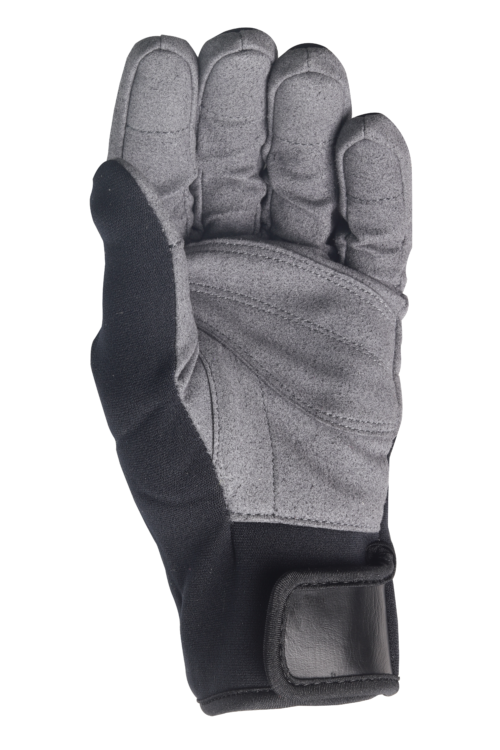
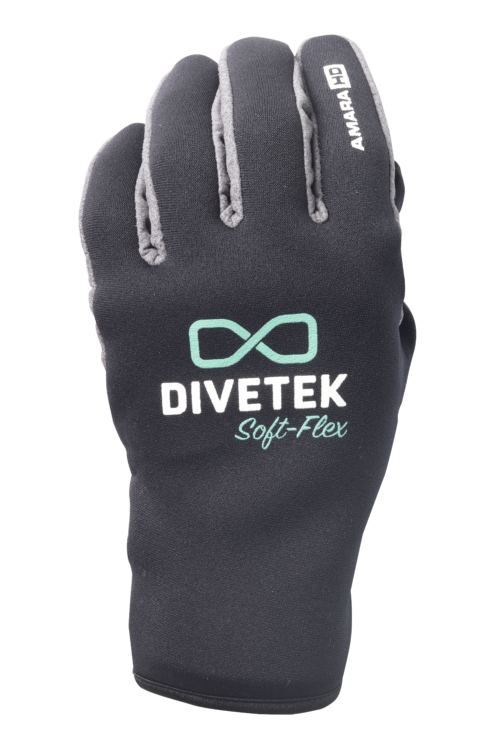 Neoprene Gloves for Spearfishing Spearfishing neoprene gloves are specially designed diving gloves made from flexible, insulating neoprene rubber. They protect your hands from cold water, sharp objects, rough coral, and marine life while improving your grip on spearfishing gear. The neoprene material traps a thin layer of water between your skin and the glove, which warms up and helps maintain thermal comfort in cooler water temperatures. These gloves typically feature: Thermal Insulation: Keeps your hands warm in cold or temperate waters, extending dive time and comfort. Durable Construction: Reinforced palms and fingers resist abrasion from rocks, spearfishing gear, and boat surfaces. Good Grip: Textured palms or silicone patterns improve grip on spearguns, knives, and slippery fish. Flexible Fit: Stretch neoprene allows for natural hand movement and dexterity, essential for handling equipment and fish. Varied Thickness: Common thicknesses range from 2 mm to 7 mm depending on water temperature and personal preference (thicker = warmer but less dexterity). These gloves are a practical part of spearfishing gear for anyone diving in cooler waters or wanting added protection and grip during their underwater hunts.
 -
 A snorkel holder or keeper with a "Double Catch" likely refers to a design that involves two securing mechanisms or catches to hold the snorkel in place. The purpose of a snorkel holder is to keep the snorkel attached to your diving mask when not in use, preventing it from floating away or getting lost.
- Rubber or Silicone Loops: Many snorkel keepers consist of flexible rubber or silicone loops that secure the snorkel to the mask strap. These loops can be stretched over the snorkel and provide a snug fit, preventing it from falling off.
- Clip Mechanisms: Some snorkel keepers use clip mechanisms to attach the snorkel to the mask strap. These clips often have a snap-on or push-button release for easy attachment and removal.
- Magnetic Systems: In more advanced designs, there are snorkel keepers that use magnetic systems. These systems involve magnets in both the snorkel keeper and the snorkel itself, creating a secure yet easily detachable connection.
- Double Catch Design: The "Double Catch" design might involve two points of contact or securing mechanisms, providing additional stability and ensuring that the snorkel remains firmly attached to the mask
-
 Wishbone system, no tools required for install. (plugin and go system)
 -
 A speargun load assist is a tool designed to make loading a speargun safer, easier, and more controlled, especially on longer or high-powered guns with heavy rubber bands.
 -
 Mask strap
 -
 These Stringers are manufactured using a 2mm. Stainless Steel Cable & plastic coating with a 8mm Stainless Steel Spike. A fish stringer is a tool used in spearfishing to secure and transport the fish you catch in the water. It's a simple device designed to hold your catch together while you continue to hunt for more fish. The stringer typically consists of a line or cable with a spike attached to it. Here's how a fish stringer for spearfishing works:
- Capture the Fish: After successfully spearing a fish, you can use the stringer to secure the catch. Make sure the fish is properly speared and incapacitated before attempting to string it.
- Attach the Fish: Insert the stringer spike through the fish's gills or mouth and out its mouth or gills, depending on the design of the stringer.
- Secure the Fish: Once the fish is threaded onto the stringer, secure it in place using the , provided on the stringer. This prevents the fish from coming off while you continue to hunt.
- Continue Spearfishing: With the fish secured on the stringer, you can continue your spearfishing expedition. The fish will remain with you as you move through the water, allowing you to collect more catches
- Transport and Store: When you're ready to head back to the shore , the fish stringer makes it convenient to transport your catches. The fish will stay attached to the stringer until you're ready to clean, prepare, or store them.
-
 snap clip
 -
 These Stringers are manufactured using a 2mm. Stainless Steel Cable and a 8mm Stainless Steel Spike. A fish stringer is a tool used in spearfishing to secure and transport the fish you catch in the water. It's a simple device designed to hold your catch together while you continue to hunt for more fish. The stringer typically consists of a line or cable with a spike attached to it. Here's how a fish stringer for spearfishing works:
- Capture the Fish: After successfully spearing a fish, you can use the stringer to secure the catch. Make sure the fish is properly speared and incapacitated before attempting to string it.
- Attach the Fish: Insert the stringer spike through the fish's gills or mouth and out its mouth or gills, depending on the design of the stringer.
- Secure the Fish: Once the fish is threaded onto the stringer, secure it in place using the , provided on the stringer. This prevents the fish from coming off while you continue to hunt.
- Continue Spearfishing: With the fish secured on the stringer, you can continue your spearfishing expedition. The fish will remain with you as you move through the water, allowing you to collect more catches
- Transport and Store: When you're ready to head back to the shore , the fish stringer makes it convenient to transport your catches. The fish will stay attached to the stringer until you're ready to clean, prepare, or store them.
-
 A utility clip for spearfishing is a versatile accessory that helps divers conveniently attach and carry various tools and equipment while underwater. Spearfishing often involves using a combination of gear such as spearguns, knives, fish stringers, flashlights, and more. Having a utility clip can make it easier to keep these tools accessible and organized during your dive.
 -
 Weight Retainer (No Clip)
 -
 Weight Retainer


Accessories - Bags
-
 Durable PVC Crayfish / Mussel Bag designed for harsh marine conditions. Manufactured from heavy-duty, waterproof PVC material, this bag offers excellent resistance to abrasion, saltwater, and UV exposure. The robust construction ensures long-lasting performance, making it ideal for spearfishing, diving, and shellfish collection.
 -
 For crayfish, Oysters and Abalone
 -

 Dimentions: 1m x 400mm x 300mm. Manufacfured using a 550gm A-grade PVC. The Stitching is a bonded nylon which is not susceptible to rotting. The zip chin and sliders are plastic to avoid any corrosion.
 -

 Heavy-duty duffel bag crafted from rugged 1200D canvas for superior strength and long-lasting performance. Fitted with durable plastic zip chain and sliders for smooth, reliable access, even under frequent use. Features reinforced webbing shoulder straps and carry handles for comfortable transport and added durability. With dimensions of 55cm (L) x 30cm (W) x 30cm (H), this bag offers ample storage space while maintaining a practical, easy-to-carry size—ideal for travel, gym use, or everyday gear.
 -

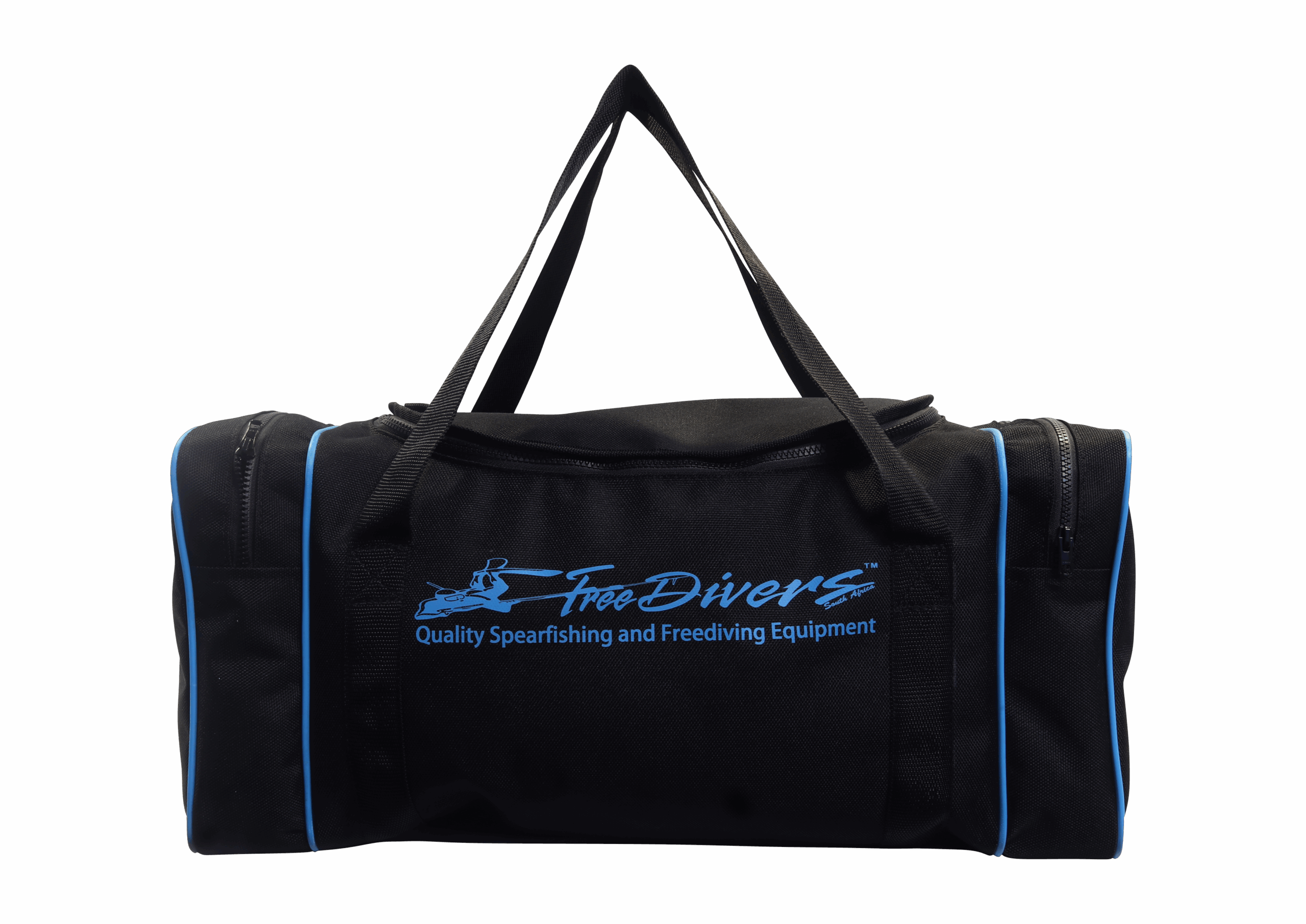 The mini kit bag is made from a D1200 material and has plastic zip chain and slider DIMs 50 x 20 x 20 cm
 -
 This bag is the ideal size for travelling or stowing away on a boat, it is only 110cm x 24cm x 16cm and is Made from a durable D600 nylon material with plastic zip chain and slider. Fits a pair of long fins ,wetsuit, mask and snorkel. This bag has two extra pockets on the inside to store extra items.
 -
 The padded gun bag is made from a PVC material and has plastic zip chain and slider , with one additional inner storage pocket DIMs 180 x 20 10 cm
 -
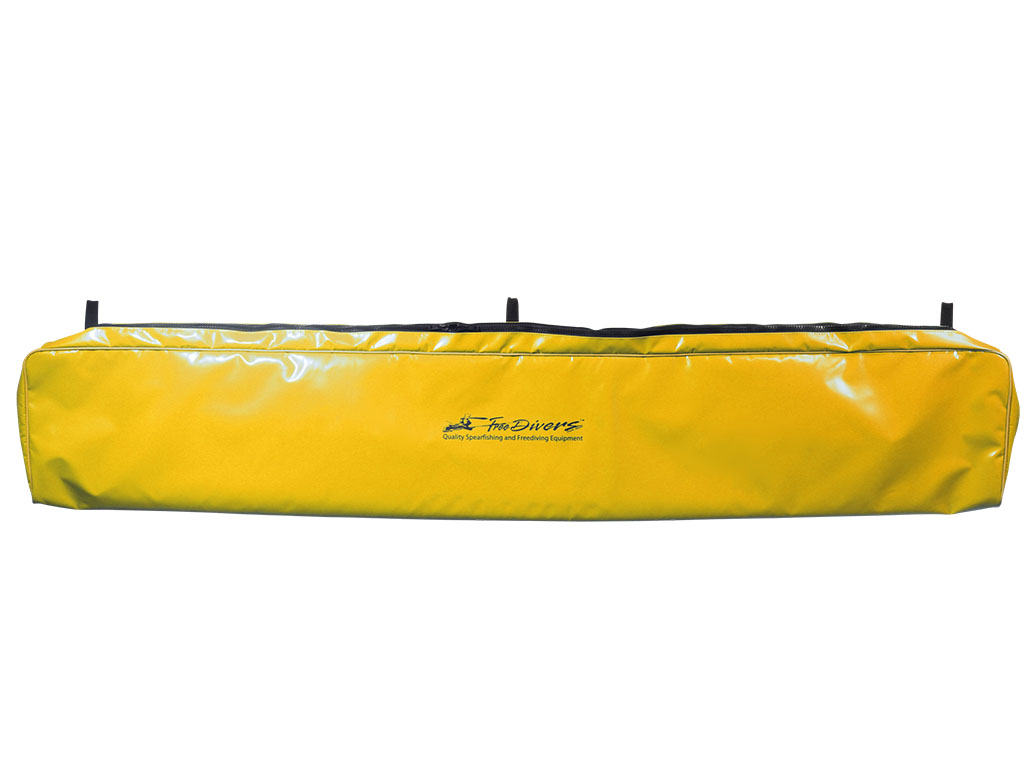
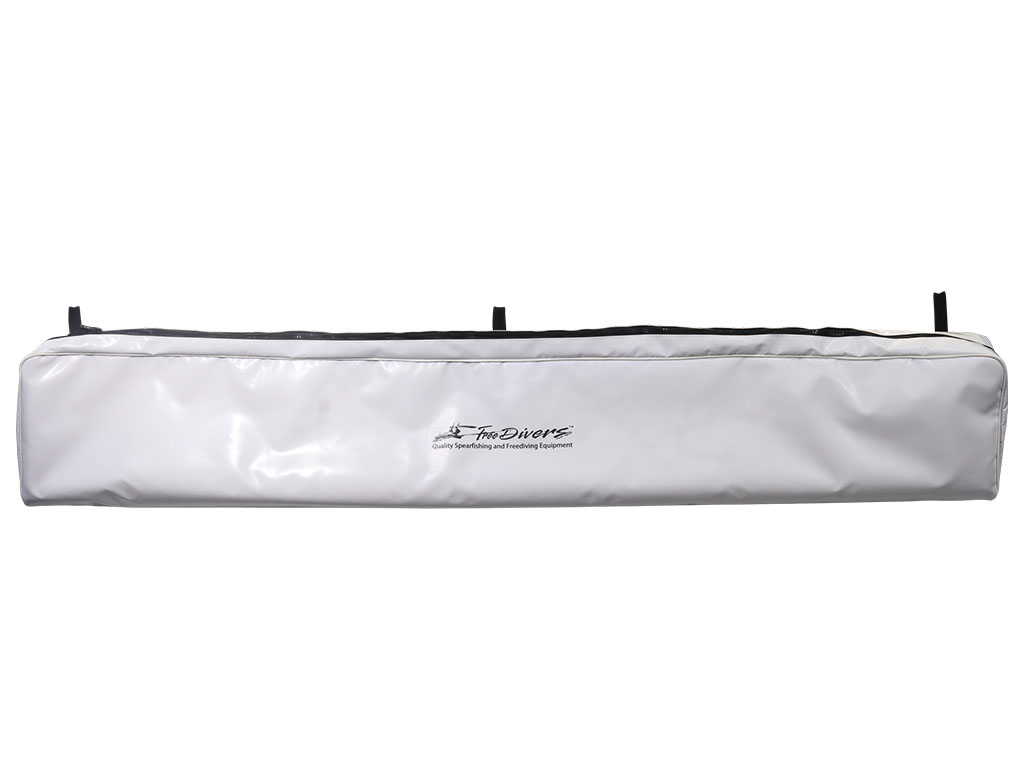 Freedivers Padded Gunnel Bags are manufactured using a 550g PVC and have a plastic YKK zip chain and slider as well as three anchor points for easy attachment. Dimensions : 1900mm x 300mm x 100mm
 -


PVC Fish chiller
A fish chiller bag is a specialized bag designed to keep fish and other seafood cold and fresh during transportation. These bags are commonly used by fishermen, anglers, and seafood enthusiasts to maintain the quality of the catch until it reaches its final destination. -
 Dimensions: 2m x 280mm x 50mm. Manufacfured using a 550gm A-grade PVC.
 -
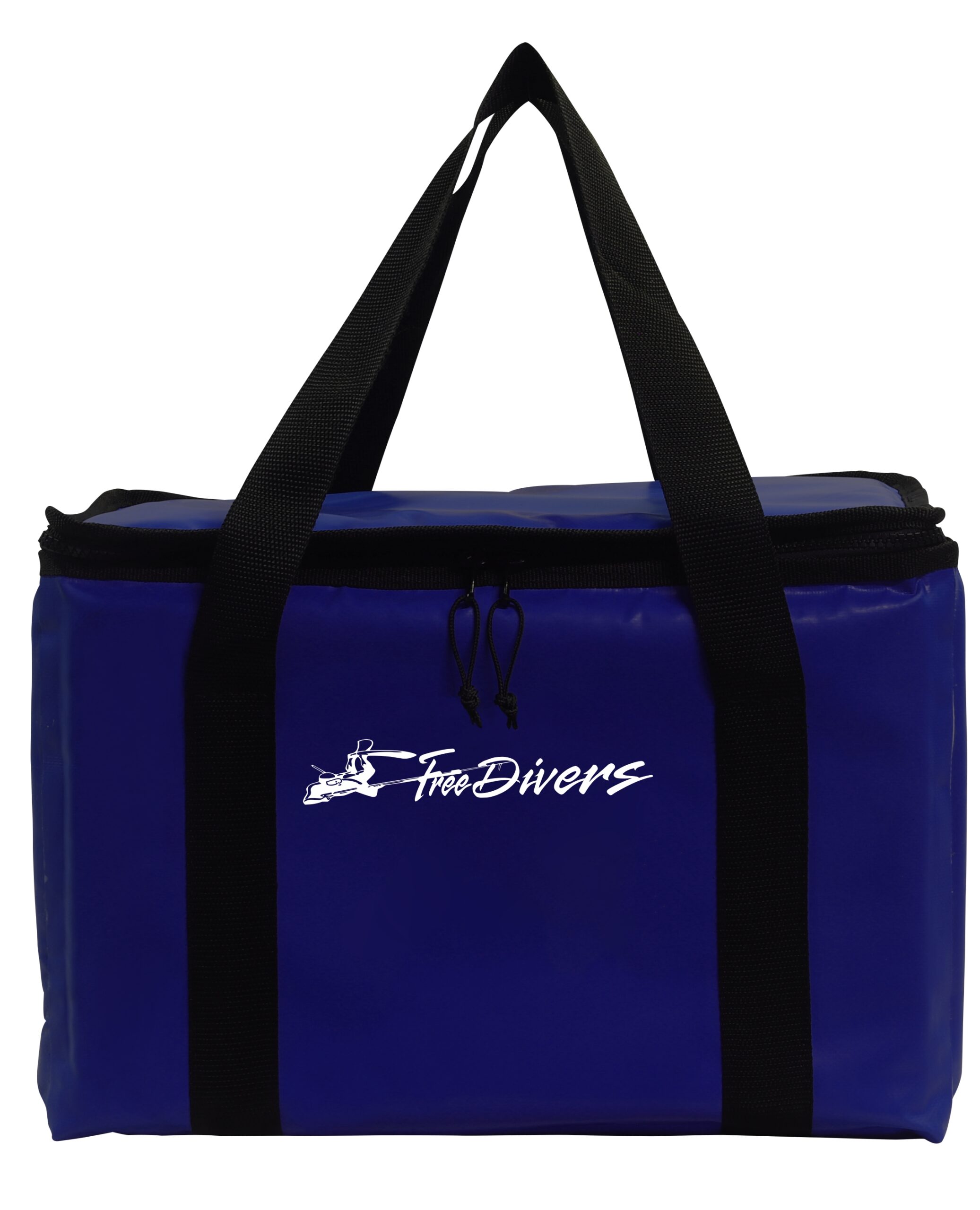
 PVC Square Cooler Box
This durable square cooler box is designed to keep your catch, food, or drinks cool and protected during transport. It is manufactured from tough 550g PVC material and features 10 mm insulation, helping maintain temperature for longer periods.
The bag is fitted with a heavy-duty plastic zip chain and slider, providing smooth operation and a secure seal to keep contents insulated. For easy carrying, it includes a strong 38 mm webbing handle, making it comfortable and reliable to transport even when fully loaded.
The square design maximizes internal storage space and allows for easy packing in boats, vehicles, or storage areas.
The PVC Square Cooler Box is available in three convenient sizes:
- Small
- Medium
- Large
It is also available in a variety of different colours, allowing you to choose a style that suits your preference or matches your gear.
This cooler box is ideal for fishing trips, boating, camping, and outdoor adventures, offering a practical and durable cooling solution.
-
 Dimensions: 280mm x 50mm. 550gm PVC designed to roll up into a smaller bag, turns into a backpack for fish and crayfish


Accessories - Boingies
-
 10mm hollow latex bungee rubber is an elastic shock cord made with a natural latex rubber core and a hollow center, with an outside diameter of approximately 10 mm. In spearfishing, 10 mm hollow latex bungee is often used between the float line and float or between the float and speargun system to soften the impact when a fish runs and reduce line shock. Typical characteristics (can vary by manufacturer): Stretch ratio: often 2×–3× original length UV resistance: moderate (latex lasts longer if rinsed and stored out of sun) Saltwater use: suitable with regular rinsing
 -
 Avalible in : –1 meter – 3 meter – 5 meter
 -

 Makes rigging of gun easier. 10cm long and fitted at the muzzle end of the gun


Accessories - Braided Line Colors
-


2mm Braided Speargun Reel Line
2 mm braided line is a popular choice for speargun reels thanks to its excellent balance of strength, low drag, and smooth handling. Made from high-performance fibres such as Dyneema or UHMWPE, this thin yet incredibly strong braid offers exceptional abrasion resistance and minimal stretch, giving divers reliable performance when fighting powerful fish.
Its slim profile allows more line capacity on your reel, making it ideal for deeper dives, fast-running pelagics, or compact reels where space is limited. The braid feeds off the reel smoothly, reducing friction and preventing jams, while the tight weave ensures long-lasting durability even around rocks, reefs, and structure.
Perfect for reef and blue-water hunting, 2 mm braid provides the sensitivity, strength, and reliability needed for secure shots and controlled fights in any conditions.
-


2mm Braided Speargun Reel Line
2 mm braided line is a popular choice for speargun reels thanks to its excellent balance of strength, low drag, and smooth handling. Made from high-performance fibres such as Dyneema or UHMWPE, this thin yet incredibly strong braid offers exceptional abrasion resistance and minimal stretch, giving divers reliable performance when fighting powerful fish.
Its slim profile allows more line capacity on your reel, making it ideal for deeper dives, fast-running pelagics, or compact reels where space is limited. The braid feeds off the reel smoothly, reducing friction and preventing jams, while the tight weave ensures long-lasting durability even around rocks, reefs, and structure.
Perfect for reef and blue-water hunting, 2 mm braid provides the sensitivity, strength, and reliability needed for secure shots and controlled fights in any conditions.
-


2mm Braided Speargun Reel Line
2 mm braided line is a popular choice for speargun reels thanks to its excellent balance of strength, low drag, and smooth handling. Made from high-performance fibres such as Dyneema or UHMWPE, this thin yet incredibly strong braid offers exceptional abrasion resistance and minimal stretch, giving divers reliable performance when fighting powerful fish.
Its slim profile allows more line capacity on your reel, making it ideal for deeper dives, fast-running pelagics, or compact reels where space is limited. The braid feeds off the reel smoothly, reducing friction and preventing jams, while the tight weave ensures long-lasting durability even around rocks, reefs, and structure.
Perfect for reef and blue-water hunting, 2 mm braid provides the sensitivity, strength, and reliability needed for secure shots and controlled fights in any conditions.
-


2mm Braided Speargun Reel Line
2 mm braided line is a popular choice for speargun reels thanks to its excellent balance of strength, low drag, and smooth handling. Made from high-performance fibres such as Dyneema or UHMWPE, this thin yet incredibly strong braid offers exceptional abrasion resistance and minimal stretch, giving divers reliable performance when fighting powerful fish.
Its slim profile allows more line capacity on your reel, making it ideal for deeper dives, fast-running pelagics, or compact reels where space is limited. The braid feeds off the reel smoothly, reducing friction and preventing jams, while the tight weave ensures long-lasting durability even around rocks, reefs, and structure.
Perfect for reef and blue-water hunting, 2 mm braid provides the sensitivity, strength, and reliability needed for secure shots and controlled fights in any conditions.
r


Accessories - Flashers
-

 The flasher's primary function is to imitate the appearance and movement of smaller fish or prey, which in turn entices larger predatory fish to approach, making them more vulnerable to the spearfisher's efforts. The visual stimulation provided by the flasher can trigger curiosity and hunting instincts in the target fish species, leading them to move closer and investigate.
- Reflective Material: Many flashers are constructed with materials that catch and reflect sunlight or ambient underwater light. These reflective surfaces create flashes of light that resemble the scales of smaller fish catching light as they move.
- Colorful Patterns: Flashers often incorporate vibrant colors that mimic the appearance of prey fish. These colors can range from silvery whites to iridescent blues and greens, aiming to replicate the natural hues of baitfish.
- Movement Enhancers: Some flashers are designed with additional features that enhance movement. These might include small wings, spinning blades, or other appendages that create subtle vibrations and fluctuations in the water, adding to the illusion of live prey.
- Depth Adjustability: Flashers can be attached to various depths in the water column, allowing spearfishers to target specific fish species that inhabit different parts of the ocean.
-
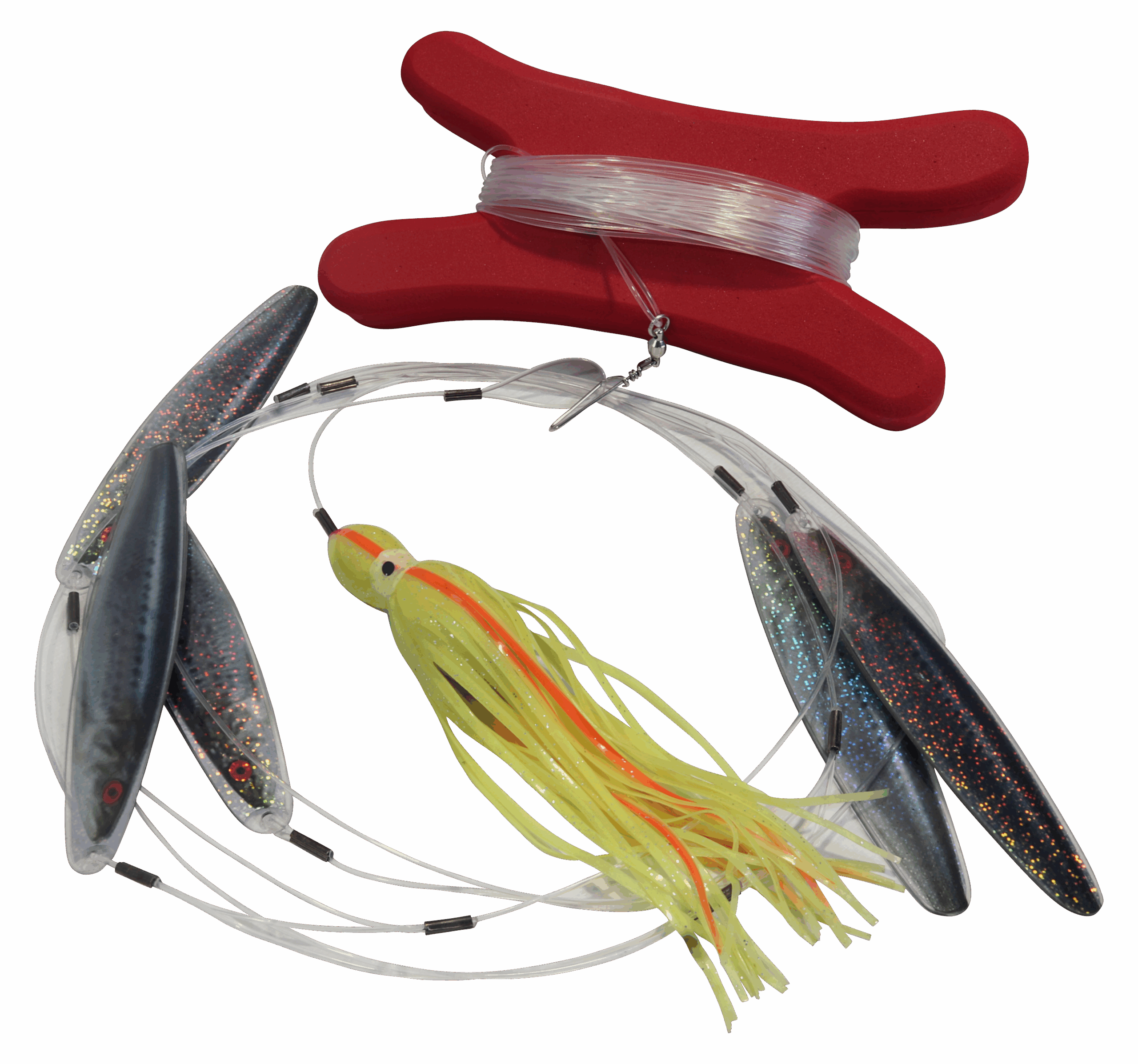 The flasher's primary function is to imitate the appearance and movement of smaller fish or prey, which in turn entices larger predatory fish to approach, making them more vulnerable to the spearfisher's efforts. The visual stimulation provided by the flasher can trigger curiosity and hunting instincts in the target fish species, leading them to move closer and investigate.
- Reflective Material: Many flashers are constructed with materials that catch and reflect sunlight or ambient underwater light. These reflective surfaces create flashes of light that resemble the scales of smaller fish catching light as they move.
- Colorful Patterns: Flashers often incorporate vibrant colors that mimic the appearance of prey fish. These colors can range from silvery whites to iridescent blues and greens, aiming to replicate the natural hues of baitfish.
- Movement Enhancers: Some flashers are designed with additional features that enhance movement. These might include small wings, spinning blades, or other appendages that create subtle vibrations and fluctuations in the water, adding to the illusion of live prey.
- Depth Adjustability: Flashers can be attached to various depths in the water column, allowing spearfishers to target specific fish species that inhabit different parts of the ocean.
-

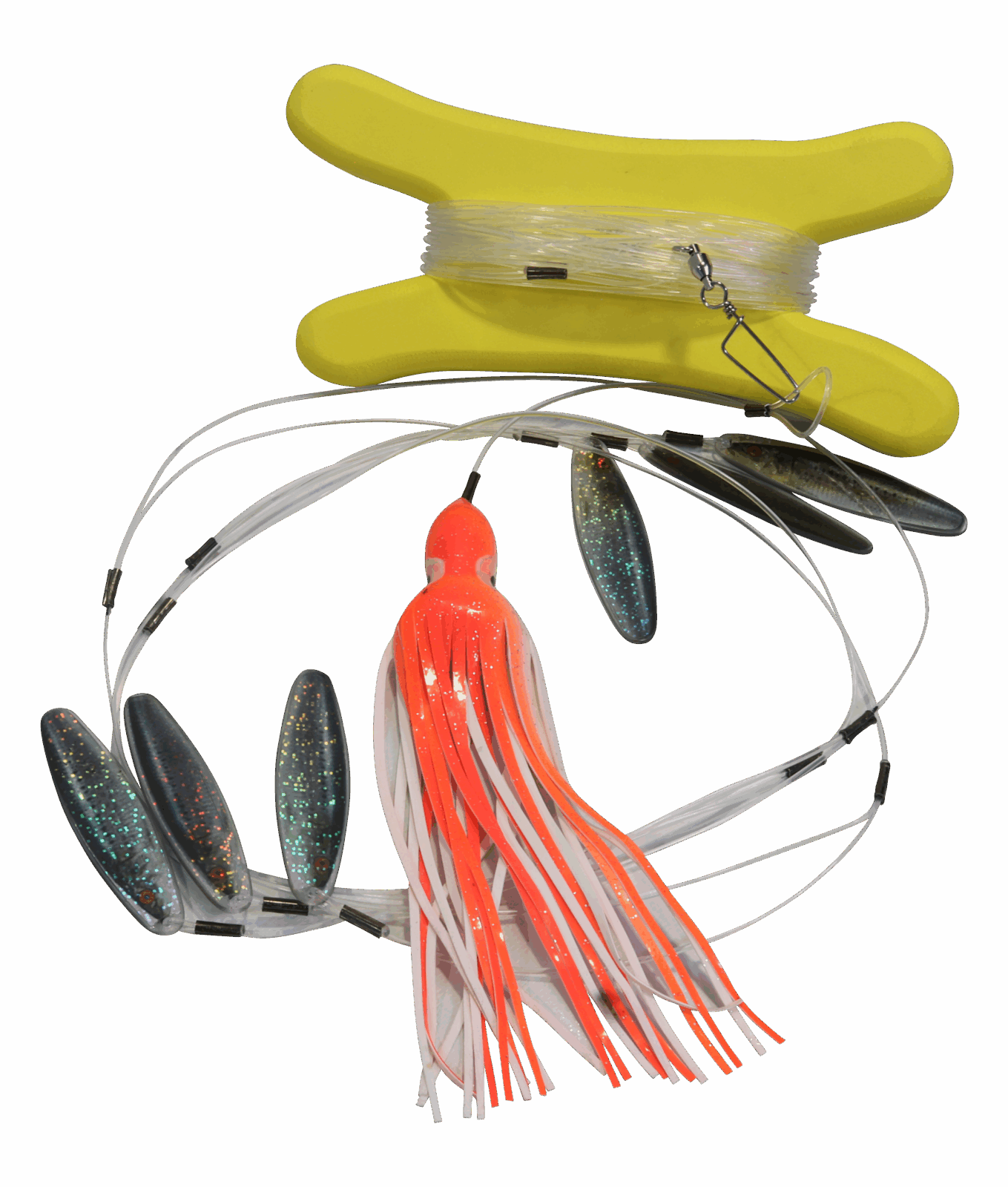 A spearfishing flasher is a specialized underwater device designed to attract fish and increase the success rate of spearfishing expeditions. It typically consists of a combination of reflective materials, vibrant colors, and sometimes additional elements that collectively create a visual spectacle beneath the water's surface.
- Reflective Material: Many flashers are constructed with materials that catch and reflect sunlight or ambient underwater light. These reflective surfaces create flashes of light that resemble the scales of smaller fish catching light as they move.
- Colorful Patterns: Flashers often incorporate vibrant colors that mimic the appearance of prey fish. These colors can range from silvery whites to iridescent blues and greens, aiming to replicate the natural hues of baitfish.
- Movement Enhancers: Some flashers are designed with additional features that enhance movement. These might include small wings, spinning blades, or other appendages that create subtle vibrations and fluctuations in the water, adding to the illusion of live prey.
- Depth Adjustability: Flashers can be attached to various depths in the water column, allowing spearfishers to target specific fish species that inhabit different parts of the ocean.
-

 The flasher's primary function is to imitate the appearance and movement of smaller fish or prey, which in turn entices larger predatory fish to approach, making them more vulnerable to the spearfisher's efforts. The visual stimulation provided by the flasher can trigger curiosity and hunting instincts in the target fish species, leading them to move closer and investigate.
- Reflective Material: Many flashers are constructed with materials that catch and reflect sunlight or ambient underwater light. These reflective surfaces create flashes of light that resemble the scales of smaller fish catching light as they move.
- Colorful Patterns: Flashers often incorporate vibrant colors that mimic the appearance of prey fish. These colors can range from silvery whites to iridescent blues and greens, aiming to replicate the natural hues of baitfish.
- Movement Enhancers: Some flashers are designed with additional features that enhance movement. These might include small wings, spinning blades, or other appendages that create subtle vibrations and fluctuations in the water, adding to the illusion of live prey.
- Depth Adjustability: Flashers can be attached to various depths in the water column, allowing spearfishers to target specific fish species that inhabit different parts of the ocean.


Accessories - Speargun rubbers
-
 14mm bands sold per meter made up
 These rubbers are designed to stretch and contract with force, storing potential energy as they stretch and releasing it rapidly to propel the spear forward with significant speed and precision. The use of US latex ensures consistent performance and longevity, making them a dependable choice for spearfishing enthusiasts and professionals alike.
- Elasticity: US latex's inherent elasticity allows the rubber bands to stretch without losing their original shape. This elasticity translates to powerful shots that deliver the spear with force and accuracy.
- Durability: US latex is known for its durability and resistance to degradation caused by water exposure and UV rays. This durability ensures that the rubber bands maintain their performance even after prolonged use in challenging underwater conditions.
- Consistency: Spear gun rubbers made from US latex provide consistent tension and power throughout their lifespan, resulting in reliable and predictable shots.
- Efficiency: The efficient energy transfer of US latex rubbers maximizes the speargun's potential to propel the spear at the target, increasing the chances of a successful catch.
-
 16mm bands sold per meter made up
These rubbers are designed to stretch and contract with force, storing potential energy as they stretch and releasing it rapidly to propel the spear forward with significant speed and precision. The use of US latex ensures consistent performance and longevity, making them a dependable choice for spearfishing enthusiasts and professionals alike.
16mm bands sold per meter made up
These rubbers are designed to stretch and contract with force, storing potential energy as they stretch and releasing it rapidly to propel the spear forward with significant speed and precision. The use of US latex ensures consistent performance and longevity, making them a dependable choice for spearfishing enthusiasts and professionals alike.
- Elasticity: US latex's inherent elasticity allows the rubber bands to stretch without losing their original shape. This elasticity translates to powerful shots that deliver the spear with force and accuracy.
- Durability: US latex is known for its durability and resistance to degradation caused by water exposure and UV rays. This durability ensures that the rubber bands maintain their performance even after prolonged use in challenging underwater conditions.
- Consistency: Spear gun rubbers made from US latex provide consistent tension and power throughout their lifespan, resulting in reliable and predictable shots.
- Efficiency: The efficient energy transfer of US latex rubbers maximizes the speargun's potential to propel the spear at the target, increasing the chances of a successful catch.
-

 20mm bands sold per meter made up
These rubbers are designed to stretch and contract with force, storing potential energy as they stretch and releasing it rapidly to propel the spear forward with significant speed and precision. The use of US latex ensures consistent performance and longevity, making them a dependable choice for spearfishing enthusiasts and professionals alike.
20mm bands sold per meter made up
These rubbers are designed to stretch and contract with force, storing potential energy as they stretch and releasing it rapidly to propel the spear forward with significant speed and precision. The use of US latex ensures consistent performance and longevity, making them a dependable choice for spearfishing enthusiasts and professionals alike.
- Elasticity: US latex's inherent elasticity allows the rubber bands to stretch without losing their original shape. This elasticity translates to powerful shots that deliver the spear with force and accuracy.
- Durability: US latex is known for its durability and resistance to degradation caused by water exposure and UV rays. This durability ensures that the rubber bands maintain their performance even after prolonged use in challenging underwater conditions.
- Consistency: Spear gun rubbers made from US latex provide consistent tension and power throughout their lifespan, resulting in reliable and predictable shots.
- Efficiency: The efficient energy transfer of US latex rubbers maximizes the speargun's potential to propel the spear at the target, increasing the chances of a successful catch.


Accessories - Weight Belts & Weights
-
 A crotch strap is a common accessory used in freediving to secure weight belts and prevent them from sliding or shifting during a dive. Weight belts are used by freedivers and spearfisherman to achieve neutral buoyancy by adding or subtracting weights as needed, allowing them to descend and ascend effortlessly in the water. Crotch straps are usually adjustable in length to ensure a comfortable fit for the diver. They're commonly made from durable materials like nylon , which can withstand the conditions of freediving. When using a crotch strap, it's important to adjust it properly so that it's snug but not too tight, allowing for comfortable movement while also preventing the weight belt from shifting during dives. As with all freediving equipment, safety and comfort are paramount. Using a crotch strap correctly can contribute to a safer and more enjoyable freediving experience by ensuring that the weight belt remains secure and the diver maintains proper buoyancy control throughout the dive. Always make sure to receive proper training in freediving techniques and equipment usage to ensure your safety in the water.
 -

 Please read the description below or watch the How We Make Our Spears Video
 -


- Material - Monoprene Rubber: Monoprene is a type of synthetic rubber commonly used in diving gear due to its durability and flexibility. It's resistant to saltwater, sunlight, and temperature changes, making it suitable for underwater use.
- Function: In diving, maintaining proper buoyancy is crucial. Divers wear weight belts to counteract the natural buoyancy of their bodies and equipment. The weight belt allows them to achieve neutral buoyancy at different depths in the water.
- Diving Weight Belt: A diving weight belt is a belt made of a weight-bearing material (such as lead) that divers wear around their waist. By adding or removing weights from the belt, divers can adjust their buoyancy and control their depth in the water. The monoprene rubber weight belt provides a comfortable and secure way to carry these weights.
- Adjustability: Diving weight belts are typically adjustable, allowing divers to customize the amount of weight they carry based on factors such as their body composition, the thickness of their wetsuit or drysuit, and the type of water they're diving in.
- Buckle or Quick-Release Mechanism: Diving weight belts usually have a buckle or quick-release mechanism that allows divers to easily put on or remove the belt, even when wearing gloves.
- Safety Considerations: Proper training and understanding of buoyancy control techniques are essential when using a diving weight belt. Divers should be cautious not to carry too much weight, which can lead to negative buoyancy and make it difficult to ascend safely.
- Integration with Diving Gear: Diving weight belts can be worn in combination with other diving equipment, such as wetsuits, BCDs (buoyancy control devices), and other accessories.
- Diving Training: If you're new to freediving / spear fishing or unfamiliar with using a diving weight belt, it's recommended to undergo proper training through a certified freediving diving agency. Training courses will cover buoyancy control, safety procedures, and equipment usage to ensure safe and enjoyable diving experiences.
-

- Material - Monoprene Rubber: Monoprene is a type of synthetic rubber commonly used in diving gear due to its durability and flexibility. It's resistant to saltwater, sunlight, and temperature changes, making it suitable for underwater use.
- Function: In diving, maintaining proper buoyancy is crucial. Divers wear weight belts to counteract the natural buoyancy of their bodies and equipment. The weight belt allows them to achieve neutral buoyancy at different depths in the water.
- Diving Weight Belt: A diving weight belt is a belt made of a weight-bearing material (such as lead) that divers wear around their waist. By adding or removing weights from the belt, divers can adjust their buoyancy and control their depth in the water. The monoprene rubber weight belt provides a comfortable and secure way to carry these weights.
- Adjustability: Diving weight belts are typically adjustable, allowing divers to customize the amount of weight they carry based on factors such as their body composition, the thickness of their wetsuit or drysuit, and the type of water they're diving in.
- Buckle or Quick-Release Mechanism: Diving weight belts usually have a buckle or quick-release mechanism that allows divers to easily put on or remove the belt, even when wearing gloves.
- Safety Considerations: Proper training and understanding of buoyancy control techniques are essential when using a diving weight belt. Divers should be cautious not to carry too much weight, which can lead to negative buoyancy and make it difficult to ascend safely.
- Integration with Diving Gear: Diving weight belts can be worn in combination with other diving equipment, such as wetsuits, BCDs (buoyancy control devices), and other accessories.
- Diving Training: If you're new to freediving / spear fishing or unfamiliar with using a diving weight belt, it's recommended to undergo proper training through a certified freediving diving agency. Training courses will cover buoyancy control, safety procedures, and equipment usage to ensure safe and enjoyable diving experiences.
-

- Material - Monoprene Rubber: Monoprene is a type of synthetic rubber commonly used in diving gear due to its durability and flexibility. It's resistant to saltwater, sunlight, and temperature changes, making it suitable for underwater use.
- Function: In diving, maintaining proper buoyancy is crucial. Divers wear weight belts to counteract the natural buoyancy of their bodies and equipment. The weight belt allows them to achieve neutral buoyancy at different depths in the water.
- Diving Weight Belt: A diving weight belt is a belt made of a weight-bearing material (such as lead) that divers wear around their waist. By adding or removing weights from the belt, divers can adjust their buoyancy and control their depth in the water. The monoprene rubber weight belt provides a comfortable and secure way to carry these weights.
- Adjustability: Diving weight belts are typically adjustable, allowing divers to customize the amount of weight they carry based on factors such as their body composition, the thickness of their wetsuit or drysuit, and the type of water they're diving in.
- Buckle or Quick-Release Mechanism: Diving weight belts usually have a buckle or quick-release mechanism that allows divers to easily put on or remove the belt, even when wearing gloves.
- Safety Considerations: Proper training and understanding of buoyancy control techniques are essential when using a diving weight belt. Divers should be cautious not to carry too much weight, which can lead to negative buoyancy and make it difficult to ascend safely.
- Integration with Diving Gear: Diving weight belts can be worn in combination with other diving equipment, such as wetsuits, BCDs (buoyancy control devices), and other accessories.
- Diving Training: If you're new to freediving / spear fishing or unfamiliar with using a diving weight belt, it's recommended to undergo proper training through a certified freediving diving agency. Training courses will cover buoyancy control, safety procedures, and equipment usage to ensure safe and enjoyable diving experiences.
-

- Material - Monoprene Rubber: Monoprene is a type of synthetic rubber commonly used in diving gear due to its durability and flexibility. It's resistant to saltwater, sunlight, and temperature changes, making it suitable for underwater use.
- Function: In diving, maintaining proper buoyancy is crucial. Divers wear weight belts to counteract the natural buoyancy of their bodies and equipment. The weight belt allows them to achieve neutral buoyancy at different depths in the water.
- Diving Weight Belt: A diving weight belt is a belt made of a weight-bearing material (such as lead) that divers wear around their waist. By adding or removing weights from the belt, divers can adjust their buoyancy and control their depth in the water. The monoprene rubber weight belt provides a comfortable and secure way to carry these weights.
- Adjustability: Diving weight belts are typically adjustable, allowing divers to customize the amount of weight they carry based on factors such as their body composition, the thickness of their wetsuit or drysuit, and the type of water they're diving in.
- Buckle or Quick-Release Mechanism: Diving weight belts usually have a buckle or quick-release mechanism that allows divers to easily put on or remove the belt, even when wearing gloves.
- Safety Considerations: Proper training and understanding of buoyancy control techniques are essential when using a diving weight belt. Divers should be cautious not to carry too much weight, which can lead to negative buoyancy and make it difficult to ascend safely.
- Integration with Diving Gear: Diving weight belts can be worn in combination with other diving equipment, such as wetsuits, BCDs (buoyancy control devices), and other accessories.
- Diving Training: If you're new to freediving / spear fishing or unfamiliar with using a diving weight belt, it's recommended to undergo proper training through a certified freediving diving agency. Training courses will cover buoyancy control, safety procedures, and equipment usage to ensure safe and enjoyable diving experiences.
-

- Material - Monoprene Rubber: Monoprene is a type of synthetic rubber commonly used in diving gear due to its durability and flexibility. It's resistant to saltwater, sunlight, and temperature changes, making it suitable for underwater use.
- Function: In diving, maintaining proper buoyancy is crucial. Divers wear weight belts to counteract the natural buoyancy of their bodies and equipment. The weight belt allows them to achieve neutral buoyancy at different depths in the water.
- Diving Weight Belt: A diving weight belt is a belt made of a weight-bearing material (such as lead) that divers wear around their waist. By adding or removing weights from the belt, divers can adjust their buoyancy and control their depth in the water. The monoprene rubber weight belt provides a comfortable and secure way to carry these weights.
- Adjustability: Diving weight belts are typically adjustable, allowing divers to customize the amount of weight they carry based on factors such as their body composition, the thickness of their wetsuit or drysuit, and the type of water they're diving in.
- Buckle or Quick-Release Mechanism: Diving weight belts usually have a buckle or quick-release mechanism that allows divers to easily put on or remove the belt, even when wearing gloves.
- Safety Considerations: Proper training and understanding of buoyancy control techniques are essential when using a diving weight belt. Divers should be cautious not to carry too much weight, which can lead to negative buoyancy and make it difficult to ascend safely.
- Integration with Diving Gear: Diving weight belts can be worn in combination with other diving equipment, such as wetsuits, BCDs (buoyancy control devices), and other accessories.
- Diving Training: If you're new to freediving / spear fishing or unfamiliar with using a diving weight belt, it's recommended to undergo proper training through a certified freediving diving agency. Training courses will cover buoyancy control, safety procedures, and equipment usage to ensure safe and enjoyable diving experiences.


