
Vouchers

Wetsuits
-
 Click below to view:


Spear Guns
-
 Please read the description below or watch the Rigging of Roller Speargun Video
 -

 Please read the description below or watch the Rigging of Roller Speargun Video
 -
 Please read the description below or watch the Rigging of Roller Speargun Video
 -

 Please read the description below or watch the Rigging of Roller Speargun Video
 -

 The Carbon Pro Infinity Blue Water is designed with a carbon fibre barrel and is suited for experienced divers who are looking for large reef and deep-water species. This product comes with a deep rail and is fitted with two 16mm bands, a double notch 7mm spear and a frictionless stainless steel trigger system that ensures this gun is accurate and silent in the water. It comes standard with a DIY wishbone, tuna clip and muzzle boingi. Spear guns are tools designed for underwater hunting and fishing, and they can be dangerous if not used properly. Safety should always be a top priority when handling spear guns. Here are some important safety tips to consider:
- Familiarize Yourself: Before using a spear gun, thoroughly read/listen to the manufacturer's instructions and guidelines. Familiarize yourself with the specific model you're using, including its features and mechanisms.
- Safety Gear: Always wear appropriate safety gear when using a spear gun, including a diving mask, snorkel, wetsuit, gloves, and fins. This gear not only provides protection but also enhances your ability to move safely and comfortably in the water.
- Never Point at People: Treat a loaded spear gun as you would a loaded firearm. Never point it at another person, whether it's loaded or not. Always keep the muzzle pointed in a safe direction, away from yourself and others.
- Unload When Not in Use: When you're not actively using the spear gun, it should be unloaded and secured. This reduces the risk of accidental discharge and prevents unauthorized use.
- Trigger Safety: Keep your finger off the trigger until you're ready to fire. Be mindful of the trigger mechanism, and avoid accidental firing by keeping your finger away from it until you're ready to shoot.
- Know Your Target: Before firing, identify your target and ensure that it's legal and safe to shoot. Avoid shooting at protected or endangered species.
- Keep a Clear Line of Sight: Make sure you have a clear line of sight to your target before firing. Avoid shooting into areas with poor visibility or where there's a risk of hitting obstacles.
- Proper Loading: When loading the spear gun, follow the manufacturer's instructions carefully. Make sure the spear or shaft is securely seated in the gun and that the mechanism is properly engaged.
- Check for Malfunctions: Regularly inspect your spear gun for any signs of damage, wear, or malfunction. Replace any worn or damaged parts before using the gun.
- Practice Responsible Freediving: If you're freediving (diving without scuba tanks), always practice responsible diving techniques. Avoid diving alone, stay within your depth and time limits.
-
 The Carbon Pro Infinity Sphere is designed with a carbon fibre barrel. It is suited for advanced divers who are hunting large reef and deep-water species. This product comes with a deep rail and is fitted with a 20mm band, a single notch 7mm spear and a frictionless stainless steel trigger system that ensures this gun is extremely silent and accurate in the water. It comes standard with a DIY wishbone, tuna clip and muzzle boingi. Spear guns are tools designed for underwater hunting and fishing, and they can be dangerous if not used properly. Safety should always be a top priority when handling spear guns. Here are some important safety tips to consider:
- Familiarize Yourself: Before using a spear gun, thoroughly read/listen to the manufacturer's instructions and guidelines. Familiarize yourself with the specific model you're using, including its features and mechanisms.
- Safety Gear: Always wear appropriate safety gear when using a spear gun, including a diving mask, snorkel, wetsuit, gloves, and fins. This gear not only provides protection but also enhances your ability to move safely and comfortably in the water.
- Never Point at People: Treat a loaded spear gun as you would a loaded firearm. Never point it at another person, whether it's loaded or not. Always keep the muzzle pointed in a safe direction, away from yourself and others.
- Unload When Not in Use: When you're not actively using the spear gun, it should be unloaded and secured. This reduces the risk of accidental discharge and prevents unauthorized use.
- Trigger Safety: Keep your finger off the trigger until you're ready to fire. Be mindful of the trigger mechanism, and avoid accidental firing by keeping your finger away from it until you're ready to shoot.
- Know Your Target: Before firing, identify your target and ensure that it's legal and safe to shoot. Avoid shooting at protected or endangered species.
- Keep a Clear Line of Sight: Make sure you have a clear line of sight to your target before firing. Avoid shooting into areas with poor visibility or where there's a risk of hitting obstacles.
- Proper Loading: When loading the spear gun, follow the manufacturer's instructions carefully. Make sure the spear or shaft is securely seated in the gun and that the mechanism is properly engaged.
- Check for Malfunctions: Regularly inspect your spear gun for any signs of damage, wear, or malfunction. Replace any worn or damaged parts before using the gun.
- Practice Responsible Freediving: If you're freediving (diving without scuba tanks), always practice responsible diving techniques. Avoid diving alone, stay within your depth and time limits.
-
Please read the description below or watch the Elite Range Video The Infinity Sphere Blue Water is designed with an open muzzle and is suited for advanced spearfishermen who are hunting for large reef and deep-water species. This product boasts a deep rail and is fitted with two 16mm bands, a double notch 7mm spear and a frictionless stainless steel trigger system that ensures this gun is quiet and accurate in the water. It comes standard with a DIY wishbone, tuna clip and muzzle boingi. Spear guns are tools designed for underwater hunting and fishing, and they can be dangerous if not used properly. Safety should always be a top priority when handling spear guns. Here are some important safety tips to consider:
- Familiarize Yourself: Before using a spear gun, thoroughly read/listen to the manufacturer's instructions and guidelines. Familiarize yourself with the specific model you're using, including its features and mechanisms.
- Safety Gear: Always wear appropriate safety gear when using a spear gun, including a diving mask, snorkel, wetsuit, gloves, and fins. This gear not only provides protection but also enhances your ability to move safely and comfortably in the water.
- Never Point at People: Treat a loaded spear gun as you would a loaded firearm. Never point it at another person, whether it's loaded or not. Always keep the muzzle pointed in a safe direction, away from yourself and others.
- Unload When Not in Use: When you're not actively using the spear gun, it should be unloaded and secured. This reduces the risk of accidental discharge and prevents unauthorized use.
- Trigger Safety: Keep your finger off the trigger until you're ready to fire. Be mindful of the trigger mechanism, and avoid accidental firing by keeping your finger away from it until you're ready to shoot.
- Know Your Target: Before firing, identify your target and ensure that it's legal and safe to shoot. Avoid shooting at protected or endangered species.
- Keep a Clear Line of Sight: Make sure you have a clear line of sight to your target before firing. Avoid shooting into areas with poor visibility or where there's a risk of hitting obstacles.
- Proper Loading: When loading the spear gun, follow the manufacturer's instructions carefully. Make sure the spear or shaft is securely seated in the gun and that the mechanism is properly engaged.
- Check for Malfunctions: Regularly inspect your spear gun for any signs of damage, wear, or malfunction. Replace any worn or damaged parts before using the gun.
- Practice Responsible Freediving: If you're freediving (diving without scuba tanks), always practice responsible diving techniques. Avoid diving alone, stay within your depth and time limits.
-
Please read the description below or watch the Elite Range Video The Infinity Sphere uses an open muzzle design that is best suited for divers hunting large reef and deep-water species. This product has a deep rail and is fitted with a 20mm band, a single notch 7mm spear and a frictionless stainless steel trigger ensuring that this gun is extremely quiet and acurate in the water. It comes standard with a DIY wishbone, tuna clip and muzzle boingi. Spear guns are tools designed for underwater hunting and fishing, and they can be dangerous if not used properly. Safety should always be a top priority when handling spear guns. Here are some important safety tips to consider:
- Familiarize Yourself: Before using a spear gun, thoroughly read/listen to the manufacturer's instructions and guidelines. Familiarize yourself with the specific model you're using, including its features and mechanisms.
- Safety Gear: Always wear appropriate safety gear when using a spear gun, including a diving mask, snorkel, wetsuit, gloves, and fins. This gear not only provides protection but also enhances your ability to move safely and comfortably in the water.
- Never Point at People: Treat a loaded spear gun as you would a loaded firearm. Never point it at another person, whether it's loaded or not. Always keep the muzzle pointed in a safe direction, away from yourself and others.
- Unload When Not in Use: When you're not actively using the spear gun, it should be unloaded and secured. This reduces the risk of accidental discharge and prevents unauthorized use.
- Trigger Safety: Keep your finger off the trigger until you're ready to fire. Be mindful of the trigger mechanism, and avoid accidental firing by keeping your finger away from it until you're ready to shoot.
- Know Your Target: Before firing, identify your target and ensure that it's legal and safe to shoot. Avoid shooting at protected or endangered species.
- Keep a Clear Line of Sight: Make sure you have a clear line of sight to your target before firing. Avoid shooting into areas with poor visibility or where there's a risk of hitting obstacles.
- Proper Loading: When loading the spear gun, follow the manufacturer's instructions carefully. Make sure the spear or shaft is securely seated in the gun and that the mechanism is properly engaged.
- Check for Malfunctions: Regularly inspect your spear gun for any signs of damage, wear, or malfunction. Replace any worn or damaged parts before using the gun.
- Practice Responsible Freediving: If you're freediving (diving without scuba tanks), always practice responsible diving techniques. Avoid diving alone, stay within your depth and time limits.


Spear Guns - Elite Aluminium
-
 Please read the description below or watch the Elite Range Video The Ranger Blue Water Elite is suited for advanced divers who aim to hunt large reef and deep-water species. This product is equipped with a deep rail and is fitted with two 16mm bands, a double notch 7mm spear and a frictionless stainless steel trigger system that ensure this gun is silent and accurate in the water. It also comes standard with a DIY wishbone, tuna clip and muzzle boingi.
 -

 Please read the description below or watch the Elite Range Video The Ranger Elite is specifically designed for advanced divers who are hunting for larger reef and deep-water species. This product is equipped with a deep rail, 20mm band, a single notch 7mm spear and a frictionless stainless steel trigger system. This ensures that the gun remains extremely silent and accurate in the water. It also comes standard with a DIY wishbone, tuna clip and muzzle boingi. Spear guns are tools designed for underwater hunting and fishing, and they can be dangerous if not used properly. Safety should always be a top priority when handling spear guns. Here are some important safety tips to consider:
- Familiarize Yourself: Before using a spear gun, thoroughly read/listen to the manufacturer's instructions and guidelines. Familiarize yourself with the specific model you're using, including its features and mechanisms.
- Safety Gear: Always wear appropriate safety gear when using a spear gun, including a diving mask, snorkel, wetsuit, gloves, and fins. This gear not only provides protection but also enhances your ability to move safely and comfortably in the water.
- Never Point at People: Treat a loaded spear gun as you would a loaded firearm. Never point it at another person, whether it's loaded or not. Always keep the muzzle pointed in a safe direction, away from yourself and others.
- Unload When Not in Use: When you're not actively using the spear gun, it should be unloaded and secured. This reduces the risk of accidental discharge and prevents unauthorized use.
- Trigger Safety: Keep your finger off the trigger until you're ready to fire. Be mindful of the trigger mechanism, and avoid accidental firing by keeping your finger away from it until you're ready to shoot.
- Know Your Target: Before firing, identify your target and ensure that it's legal and safe to shoot. Avoid shooting at protected or endangered species.
- Keep a Clear Line of Sight: Make sure you have a clear line of sight to your target before firing. Avoid shooting into areas with poor visibility or where there's a risk of hitting obstacles.
- Proper Loading: When loading the spear gun, follow the manufacturer's instructions carefully. Make sure the spear or shaft is securely seated in the gun and that the mechanism is properly engaged.
- Check for Malfunctions: Regularly inspect your spear gun for any signs of damage, wear, or malfunction. Replace any worn or damaged parts before using the gun.
- Practice Responsible Freediving: If you're freediving (diving without scuba tanks), always practice responsible diving techniques. Avoid diving alone, stay within your depth and time limits.
-
 Please read the description below or watch the Elite Range Video The Protégé Elite is designed for beginner and the intermediate diver, hunting small reef and open water species allowing for flexibility of each dive. This product boasts a deep integrated plastic rail and is fitted with a 16mm band, a 6.5mm spear. The frictionless trigger system ensuresthat this gun is extremely quiet and accurate.It comes standard with a DIY wishbone, tuna clip and muzzle bungee. Spear guns are tools designed for underwater hunting and fishing, and they can be dangerous if not used properly. Safety should always be a top priority when handling spear guns. Here are some important safety tips to consider:
- Familiarize Yourself: Before using a spear gun, thoroughly read/listen to the manufacturer's instructions and guidelines. Familiarize yourself with the specific model you're using, including its features and mechanisms.
- Safety Gear: Always wear appropriate safety gear when using a spear gun, including a diving mask, snorkel, wetsuit, gloves, and fins. This gear not only provides protection but also enhances your ability to move safely and comfortably in the water.
- Never Point at People: Treat a loaded spear gun as you would a loaded firearm. Never point it at another person, whether it's loaded or not. Always keep the muzzle pointed in a safe direction, away from yourself and others.
- Unload When Not in Use: When you're not actively using the spear gun, it should be unloaded and secured. This reduces the risk of accidental discharge and prevents unauthorized use.
- Trigger Safety: Keep your finger off the trigger until you're ready to fire. Be mindful of the trigger mechanism, and avoid accidental firing by keeping your finger away from it until you're ready to shoot.
- Know Your Target: Before firing, identify your target and ensure that it's legal and safe to shoot. Avoid shooting at protected or endangered species.
- Keep a Clear Line of Sight: Make sure you have a clear line of sight to your target before firing. Avoid shooting into areas with poor visibility or where there's a risk of hitting obstacles.
- Proper Loading: When loading the spear gun, follow the manufacturer's instructions carefully. Make sure the spear or shaft is securely seated in the gun and that the mechanism is properly engaged.
- Check for Malfunctions: Regularly inspect your spear gun for any signs of damage, wear, or malfunction. Replace any worn or damaged parts before using the gun.
- Practice Responsible Freediving: If you're freediving (diving without scuba tanks), always practice responsible diving techniques. Avoid diving alone, stay within your depth and time limits.

Spear Guns - Elite pro
-
The Carbon Pro Blue Water Elite is designed with a carbon fiber barrel. It is suited specifically for experienced divers hunting large reef and deep water species. This product is designed with two 16mm bands, a double notch 7mm spear and a frictionless stainless steel trigger system that ensures this gun is accurate and quiet. It comes standard with a DIY wishbone, tuna clip and muzzle boingi. Spear guns are tools designed for underwater hunting and fishing, and they can be dangerous if not used properly. Safety should always be a top priority when handling spear guns. Here are some important safety tips to consider:
- Familiarize Yourself: Before using a spear gun, thoroughly read/listen to the manufacturer's instructions and guidelines. Familiarize yourself with the specific model you're using, including its features and mechanisms.
- Safety Gear: Always wear appropriate safety gear when using a spear gun, including a diving mask, snorkel, wetsuit, gloves, and fins. This gear not only provides protection but also enhances your ability to move safely and comfortably in the water.
- Never Point at People: Treat a loaded spear gun as you would a loaded firearm. Never point it at another person, whether it's loaded or not. Always keep the muzzle pointed in a safe direction, away from yourself and others.
- Unload When Not in Use: When you're not actively using the spear gun, it should be unloaded and secured. This reduces the risk of accidental discharge and prevents unauthorized use.
- Trigger Safety: Keep your finger off the trigger until you're ready to fire. Be mindful of the trigger mechanism, and avoid accidental firing by keeping your finger away from it until you're ready to shoot.
- Know Your Target: Before firing, identify your target and ensure that it's legal and safe to shoot. Avoid shooting at protected or endangered species.
- Keep a Clear Line of Sight: Make sure you have a clear line of sight to your target before firing. Avoid shooting into areas with poor visibility or where there's a risk of hitting obstacles.
- Proper Loading: When loading the spear gun, follow the manufacturer's instructions carefully. Make sure the spear or shaft is securely seated in the gun and that the mechanism is properly engaged.
- Check for Malfunctions: Regularly inspect your spear gun for any signs of damage, wear, or malfunction. Replace any worn or damaged parts before using the gun.
- Practice Responsible Freediving: If you're freediving (diving without scuba tanks), always practice responsible diving techniques. Avoid diving alone, stay within your depth and time limits.
The Carbon Pro Elite is made with a carbon fibre barrel and is suited for advanced divers on the hunt for large reef and pelagic species. This product boasts a deep plastic rail and is fitted with a 20mm band, a single notch 7mm spear and a frictionless stainless steel trigger system that ensures this gun is exceptionally quiet and accurate. In addition, it also comes standard with a DIY wishbone, tuna clip and muzzle boingi. Benefits of a Carbon Fiber Speargun Lighter Weight – Carbon fiber is much lighter than aliminium , making it easier to maneuver in the water and reducing arm fatigue on long and deep dives. Increased Rigidity – Carbon fiber is stiffer than aliminium, which means less flex when shooting. This leads to greater accuracy and better energy transfer to the spear shaft. Reduced Recoil – Due to the lightweight and stiff properties, carbon fiber spearguns often have less recoil compared to aliminium models. Corrosion Resistance – Unlike aliminium, which can corrode over time (especially in saltwater if not maintained), carbon fiber is resistant to rust and degradation. Aesthetic Appeal – Many divers prefer the sleek, high-end look of carbon fiber spearguns.Spear Guns - Rubicon Aluminium
-

 Please read the description below or watch the Elite Range Video The Rubicon Blue Water Zenith is designed for advanced divers who are on the hunt for large reef and pelagic species. This product boasts a deep rail and is fitted with two 16mm bands, a double notch 7mm spear and a frictionless stainless steel trigger system that ensures this gun is extremely silent and accurate in the water. It comes standard with a DIY wishbone, tuna clip and muzzle boingi.
 -
 Please read the description below or watch the Elite Range Video The Rubicon Zenith is best suited for intermediate to experienced divers hunting for large reef fish and deep-water species. This product comes with a deep rail and is fitted with a 20mm band, a single notch 7mm spear and a frictionless stainless steel trigger system that ensures this gun is silent and accurate in the water. It comes standard with a DIY wishbone, tuna clip and muzzle boingi.
 -
 Please read the description below or watch the Elite Range Video The Rubicon Horizon is best suited for beginner and intermediate divers who are on the hunt for large reef and pelagic species. This product is designed with a deep rail and is fitted with a 16mm band, a single notch 6.5mm spear and frictionless acetal trigger system that ensures this gun is silent and accurate in the water. It comes standard with a DIY wishbone, tuna clip and muzzle biongi. Spear guns are tools designed for underwater hunting and fishing, and they can be dangerous if not used properly. Safety should always be a top priority when handling spear guns. Here are some important safety tips to consider:
- Familiarize Yourself: Before using a spear gun, thoroughly read/listen to the manufacturer's instructions and guidelines. Familiarize yourself with the specific model you're using, including its features and mechanisms.
- Safety Gear: Always wear appropriate safety gear when using a spear gun, including a diving mask, snorkel, wetsuit, gloves, and fins. This gear not only provides protection but also enhances your ability to move safely and comfortably in the water.
- Never Point at People: Treat a loaded spear gun as you would a loaded firearm. Never point it at another person, whether it's loaded or not. Always keep the muzzle pointed in a safe direction, away from yourself and others.
- Unload When Not in Use: When you're not actively using the spear gun, it should be unloaded and secured. This reduces the risk of accidental discharge and prevents unauthorized use.
- Trigger Safety: Keep your finger off the trigger until you're ready to fire. Be mindful of the trigger mechanism, and avoid accidental firing by keeping your finger away from it until you're ready to shoot.
- Know Your Target: Before firing, identify your target and ensure that it's legal and safe to shoot. Avoid shooting at protected or endangered species.
- Keep a Clear Line of Sight: Make sure you have a clear line of sight to your target before firing. Avoid shooting into areas with poor visibility or where there's a risk of hitting obstacles.
- Proper Loading: When loading the spear gun, follow the manufacturer's instructions carefully. Make sure the spear or shaft is securely seated in the gun and that the mechanism is properly engaged.
- Check for Malfunctions: Regularly inspect your spear gun for any signs of damage, wear, or malfunction. Replace any worn or damaged parts before using the gun.
- Practice Responsible Freediving: If you're freediving (diving without scuba tanks), always practice responsible diving techniques. Avoid diving alone, stay within your depth and time limits.
Spear Guns - Rubicon pro
-
The Carbon Pro Zenith Blue Water is designed with a carbon fibre barrel and is suited for advanced divers who are on the hunt for large reef and pelagic species. This product boasts a deep rail and is fitted with two 16mm bands, a double notch 7mm spear and a frictionless stainless steel trigger system that ensures this gun is extremely silent and accurate in the water. It comes standard with a DIY wishbone, tuna clip and muzzle boingi. Spear guns are tools designed for underwater hunting and fishing, and they can be dangerous if not used properly. Safety should always be a top priority when handling spear guns. Here are some important safety tips to consider:
- Familiarize Yourself: Before using a spear gun, thoroughly read/listen to the manufacturer's instructions and guidelines. Familiarize yourself with the specific model you're using, including its features and mechanisms.
- Safety Gear: Always wear appropriate safety gear when using a spear gun, including a diving mask, snorkel, wetsuit, gloves, and fins. This gear not only provides protection but also enhances your ability to move safely and comfortably in the water.
- Never Point at People: Treat a loaded spear gun as you would a loaded firearm. Never point it at another person, whether it's loaded or not. Always keep the muzzle pointed in a safe direction, away from yourself and others.
- Unload When Not in Use: When you're not actively using the spear gun, it should be unloaded and secured. This reduces the risk of accidental discharge and prevents unauthorized use.
- Trigger Safety: Keep your finger off the trigger until you're ready to fire. Be mindful of the trigger mechanism, and avoid accidental firing by keeping your finger away from it until you're ready to shoot.
- Know Your Target: Before firing, identify your target and ensure that it's legal and safe to shoot. Avoid shooting at protected or endangered species.
- Keep a Clear Line of Sight: Make sure you have a clear line of sight to your target before firing. Avoid shooting into areas with poor visibility or where there's a risk of hitting obstacles.
- Proper Loading: When loading the spear gun, follow the manufacturer's instructions carefully. Make sure the spear or shaft is securely seated in the gun and that the mechanism is properly engaged.
- Check for Malfunctions: Regularly inspect your spear gun for any signs of damage, wear, or malfunction. Replace any worn or damaged parts before using the gun.
- Practice Responsible Freediving: If you're freediving (diving without scuba tanks), always practice responsible diving techniques. Avoid diving alone, stay within your depth and time limits.
-
 The Carbon Pro Rubicon Zenith is designed with a carbon fibre barrel. It is best suited for intermediate to experienced divers hunting for large reef fish and deep-water species. This product comes with a deep rail and is fitted with a 20mm band, a single notch 7mm spear and a frictionless stainless steel trigger system that ensures this gun is silent and accurate in the water. It comes standard with a DIY wishbone, tuna clip and muzzle boingi. Spear guns are tools designed for underwater hunting and fishing, and they can be dangerous if not used properly. Safety should always be a top priority when handling spear guns. Here are some important safety tips to consider:
- Familiarize Yourself: Before using a spear gun, thoroughly read/listen to the manufacturer's instructions and guidelines. Familiarize yourself with the specific model you're using, including its features and mechanisms.
- Safety Gear: Always wear appropriate safety gear when using a spear gun, including a diving mask, snorkel, wetsuit, gloves, and fins. This gear not only provides protection but also enhances your ability to move safely and comfortably in the water.
- Never Point at People: Treat a loaded spear gun as you would a loaded firearm. Never point it at another person, whether it's loaded or not. Always keep the muzzle pointed in a safe direction, away from yourself and others.
- Unload When Not in Use: When you're not actively using the spear gun, it should be unloaded and secured. This reduces the risk of accidental discharge and prevents unauthorized use.
- Trigger Safety: Keep your finger off the trigger until you're ready to fire. Be mindful of the trigger mechanism, and avoid accidental firing by keeping your finger away from it until you're ready to shoot.
- Know Your Target: Before firing, identify your target and ensure that it's legal and safe to shoot. Avoid shooting at protected or endangered species.
- Keep a Clear Line of Sight: Make sure you have a clear line of sight to your target before firing. Avoid shooting into areas with poor visibility or where there's a risk of hitting obstacles.
- Proper Loading: When loading the spear gun, follow the manufacturer's instructions carefully. Make sure the spear or shaft is securely seated in the gun and that the mechanism is properly engaged.
- Check for Malfunctions: Regularly inspect your spear gun for any signs of damage, wear, or malfunction. Replace any worn or damaged parts before using the gun.
- Practice Responsible Freediving: If you're freediving (diving without scuba tanks), always practice responsible diving techniques. Avoid diving alone, stay within your depth and time limits.
Spear Guns - Infinity Aluminium
-
Please read the description below or watch the Elite Range Video The Infinity Sphere Blue Water is designed with an open muzzle and is suited for advanced spearfishermen who are hunting for large reef and deep-water species. This product boasts a deep rail and is fitted with two 16mm bands, a double notch 7mm spear and a frictionless stainless steel trigger system that ensures this gun is quiet and accurate in the water. It comes standard with a DIY wishbone, tuna clip and muzzle boingi. Spear guns are tools designed for underwater hunting and fishing, and they can be dangerous if not used properly. Safety should always be a top priority when handling spear guns. Here are some important safety tips to consider:
- Familiarize Yourself: Before using a spear gun, thoroughly read/listen to the manufacturer's instructions and guidelines. Familiarize yourself with the specific model you're using, including its features and mechanisms.
- Safety Gear: Always wear appropriate safety gear when using a spear gun, including a diving mask, snorkel, wetsuit, gloves, and fins. This gear not only provides protection but also enhances your ability to move safely and comfortably in the water.
- Never Point at People: Treat a loaded spear gun as you would a loaded firearm. Never point it at another person, whether it's loaded or not. Always keep the muzzle pointed in a safe direction, away from yourself and others.
- Unload When Not in Use: When you're not actively using the spear gun, it should be unloaded and secured. This reduces the risk of accidental discharge and prevents unauthorized use.
- Trigger Safety: Keep your finger off the trigger until you're ready to fire. Be mindful of the trigger mechanism, and avoid accidental firing by keeping your finger away from it until you're ready to shoot.
- Know Your Target: Before firing, identify your target and ensure that it's legal and safe to shoot. Avoid shooting at protected or endangered species.
- Keep a Clear Line of Sight: Make sure you have a clear line of sight to your target before firing. Avoid shooting into areas with poor visibility or where there's a risk of hitting obstacles.
- Proper Loading: When loading the spear gun, follow the manufacturer's instructions carefully. Make sure the spear or shaft is securely seated in the gun and that the mechanism is properly engaged.
- Check for Malfunctions: Regularly inspect your spear gun for any signs of damage, wear, or malfunction. Replace any worn or damaged parts before using the gun.
- Practice Responsible Freediving: If you're freediving (diving without scuba tanks), always practice responsible diving techniques. Avoid diving alone, stay within your depth and time limits.
-
Please read the description below or watch the Elite Range Video The Infinity Sphere uses an open muzzle design that is best suited for divers hunting large reef and deep-water species. This product has a deep rail and is fitted with a 20mm band, a single notch 7mm spear and a frictionless stainless steel trigger ensuring that this gun is extremely quiet and acurate in the water. It comes standard with a DIY wishbone, tuna clip and muzzle boingi. Spear guns are tools designed for underwater hunting and fishing, and they can be dangerous if not used properly. Safety should always be a top priority when handling spear guns. Here are some important safety tips to consider:
- Familiarize Yourself: Before using a spear gun, thoroughly read/listen to the manufacturer's instructions and guidelines. Familiarize yourself with the specific model you're using, including its features and mechanisms.
- Safety Gear: Always wear appropriate safety gear when using a spear gun, including a diving mask, snorkel, wetsuit, gloves, and fins. This gear not only provides protection but also enhances your ability to move safely and comfortably in the water.
- Never Point at People: Treat a loaded spear gun as you would a loaded firearm. Never point it at another person, whether it's loaded or not. Always keep the muzzle pointed in a safe direction, away from yourself and others.
- Unload When Not in Use: When you're not actively using the spear gun, it should be unloaded and secured. This reduces the risk of accidental discharge and prevents unauthorized use.
- Trigger Safety: Keep your finger off the trigger until you're ready to fire. Be mindful of the trigger mechanism, and avoid accidental firing by keeping your finger away from it until you're ready to shoot.
- Know Your Target: Before firing, identify your target and ensure that it's legal and safe to shoot. Avoid shooting at protected or endangered species.
- Keep a Clear Line of Sight: Make sure you have a clear line of sight to your target before firing. Avoid shooting into areas with poor visibility or where there's a risk of hitting obstacles.
- Proper Loading: When loading the spear gun, follow the manufacturer's instructions carefully. Make sure the spear or shaft is securely seated in the gun and that the mechanism is properly engaged.
- Check for Malfunctions: Regularly inspect your spear gun for any signs of damage, wear, or malfunction. Replace any worn or damaged parts before using the gun.
- Practice Responsible Freediving: If you're freediving (diving without scuba tanks), always practice responsible diving techniques. Avoid diving alone, stay within your depth and time limits.
-

 Please read the description below or watch the Elite Range Video The Infinity Stratos is an entry level and intermediate speargun that was designed with an open muzzle. It is best suited for hunting small reef and small deep-water species. This product boasts a deep rail and is fitted with a 16mm band, a single notch 6.5mm spear and a frictionless acetal trigger ensuring this gun is accurate and silent in the water. It comes standard with a DIY wishbone, tuna clip and muzzle boingi. Spear guns are tools designed for underwater hunting and fishing, and they can be dangerous if not used properly. Safety should always be a top priority when handling spear guns. Here are some important safety tips to consider:
- Familiarize Yourself: Before using a spear gun, thoroughly read/listen to the manufacturer's instructions and guidelines. Familiarize yourself with the specific model you're using, including its features and mechanisms.
- Safety Gear: Always wear appropriate safety gear when using a spear gun, including a diving mask, snorkel, wetsuit, gloves, and fins. This gear not only provides protection but also enhances your ability to move safely and comfortably in the water.
- Never Point at People: Treat a loaded spear gun as you would a loaded firearm. Never point it at another person, whether it's loaded or not. Always keep the muzzle pointed in a safe direction, away from yourself and others.
- Unload When Not in Use: When you're not actively using the spear gun, it should be unloaded and secured. This reduces the risk of accidental discharge and prevents unauthorized use.
- Trigger Safety: Keep your finger off the trigger until you're ready to fire. Be mindful of the trigger mechanism, and avoid accidental firing by keeping your finger away from it until you're ready to shoot.
- Know Your Target: Before firing, identify your target and ensure that it's legal and safe to shoot. Avoid shooting at protected or endangered species.
- Keep a Clear Line of Sight: Make sure you have a clear line of sight to your target before firing. Avoid shooting into areas with poor visibility or where there's a risk of hitting obstacles.
- Proper Loading: When loading the spear gun, follow the manufacturer's instructions carefully. Make sure the spear or shaft is securely seated in the gun and that the mechanism is properly engaged.
- Check for Malfunctions: Regularly inspect your spear gun for any signs of damage, wear, or malfunction. Replace any worn or damaged parts before using the gun.
- Practice Responsible Freediving: If you're freediving (diving without scuba tanks), always practice responsible diving techniques. Avoid diving alone, stay within your depth and time limits.
Spear Guns - Infinity pro
-
The Carbon Pro Infinity Blue Water is designed with a carbon fibre barrel and is suited for experienced divers who are looking for large reef and deep-water species. This product comes with a deep rail and is fitted with two 16mm bands, a double notch 7mm spear and a frictionless stainless steel trigger system that ensures this gun is accurate and silent in the water. It comes standard with a DIY wishbone, tuna clip and muzzle boingi. Spear guns are tools designed for underwater hunting and fishing, and they can be dangerous if not used properly. Safety should always be a top priority when handling spear guns. Here are some important safety tips to consider:
- Familiarize Yourself: Before using a spear gun, thoroughly read/listen to the manufacturer's instructions and guidelines. Familiarize yourself with the specific model you're using, including its features and mechanisms.
- Safety Gear: Always wear appropriate safety gear when using a spear gun, including a diving mask, snorkel, wetsuit, gloves, and fins. This gear not only provides protection but also enhances your ability to move safely and comfortably in the water.
- Never Point at People: Treat a loaded spear gun as you would a loaded firearm. Never point it at another person, whether it's loaded or not. Always keep the muzzle pointed in a safe direction, away from yourself and others.
- Unload When Not in Use: When you're not actively using the spear gun, it should be unloaded and secured. This reduces the risk of accidental discharge and prevents unauthorized use.
- Trigger Safety: Keep your finger off the trigger until you're ready to fire. Be mindful of the trigger mechanism, and avoid accidental firing by keeping your finger away from it until you're ready to shoot.
- Know Your Target: Before firing, identify your target and ensure that it's legal and safe to shoot. Avoid shooting at protected or endangered species.
- Keep a Clear Line of Sight: Make sure you have a clear line of sight to your target before firing. Avoid shooting into areas with poor visibility or where there's a risk of hitting obstacles.
- Proper Loading: When loading the spear gun, follow the manufacturer's instructions carefully. Make sure the spear or shaft is securely seated in the gun and that the mechanism is properly engaged.
- Check for Malfunctions: Regularly inspect your spear gun for any signs of damage, wear, or malfunction. Replace any worn or damaged parts before using the gun.
- Practice Responsible Freediving: If you're freediving (diving without scuba tanks), always practice responsible diving techniques. Avoid diving alone, stay within your depth and time limits.
-
The Carbon Pro Infinity Sphere is designed with a carbon fibre barrel. It is suited for advanced divers who are hunting large reef and deep-water species. This product comes with a deep rail and is fitted with a 20mm band, a single notch 7mm spear and a frictionless stainless steel trigger system that ensures this gun is extremely silent and accurate in the water. It comes standard with a DIY wishbone, tuna clip and muzzle boingi. Spear guns are tools designed for underwater hunting and fishing, and they can be dangerous if not used properly. Safety should always be a top priority when handling spear guns. Here are some important safety tips to consider:
- Familiarize Yourself: Before using a spear gun, thoroughly read/listen to the manufacturer's instructions and guidelines. Familiarize yourself with the specific model you're using, including its features and mechanisms.
- Safety Gear: Always wear appropriate safety gear when using a spear gun, including a diving mask, snorkel, wetsuit, gloves, and fins. This gear not only provides protection but also enhances your ability to move safely and comfortably in the water.
- Never Point at People: Treat a loaded spear gun as you would a loaded firearm. Never point it at another person, whether it's loaded or not. Always keep the muzzle pointed in a safe direction, away from yourself and others.
- Unload When Not in Use: When you're not actively using the spear gun, it should be unloaded and secured. This reduces the risk of accidental discharge and prevents unauthorized use.
- Trigger Safety: Keep your finger off the trigger until you're ready to fire. Be mindful of the trigger mechanism, and avoid accidental firing by keeping your finger away from it until you're ready to shoot.
- Know Your Target: Before firing, identify your target and ensure that it's legal and safe to shoot. Avoid shooting at protected or endangered species.
- Keep a Clear Line of Sight: Make sure you have a clear line of sight to your target before firing. Avoid shooting into areas with poor visibility or where there's a risk of hitting obstacles.
- Proper Loading: When loading the spear gun, follow the manufacturer's instructions carefully. Make sure the spear or shaft is securely seated in the gun and that the mechanism is properly engaged.
- Check for Malfunctions: Regularly inspect your spear gun for any signs of damage, wear, or malfunction. Replace any worn or damaged parts before using the gun.
- Practice Responsible Freediving: If you're freediving (diving without scuba tanks), always practice responsible diving techniques. Avoid diving alone, stay within your depth and time limits.
Spear Guns - Rollerguns With Bearing
-
Please read the description below or watch the Rigging of Roller Speargun Video
Spear Guns - Rollerguns Non Bearing
-
Please read the description below or watch the Rigging of Roller Speargun Video
Spear Guns - Rollerguns With Bearing With Booster
-
Please read the description below or watch the Rigging of Roller Speargun Video
Spear Guns - Rollerguns Non Bearing With Booster
-
Please read the description below or watch the Rigging of Roller Speargun Video
Spear Guns - Speargun Camo Decals
Spears
-
 Freedivers Spear Barb with Pin Our Spear Barb with Pin is designed for secure and reliable attachment to spear shafts, ensuring excellent hold and streamlined performance. Made from durable, corrosion-resistant stainless steel, this barb provides strong penetration and dependable fish retention. The precision-fit pin allows for easy installation and secure alignment on a variety of spear diameters. Ideal for both freshwater and saltwater use.
 -

 Freedivers spears are manufactured from high tensile spring steel. Our spears are treated with anti-corrosive coating. Freedivers Barbs come standard with all spears
 -

 Please read the description below or watch the How We Make Our Spears Video Freedivers spears are manufactured from high tensile spring steel. Our spears are treated with anti-corrosive coating. Freedivers Barbs come standard with all spears
 -
 Please read the description below or watch the How We Make Our Spears Video Freedivers spears are manufactured from high tensile spring steel. Our spears are treated with anti-corrosive coating. Freedivers Barbs come standard with all spears
 -
Freedivers spears are manufactured from high tensile spring steel. Our spears are treated with anti-corrosive coating. Freedivers Barbs come standard with all spears
-
 Please read the description below or watch the How We Make Our Spears Video Freedivers spears are manufactured from high tensile spring steel. Our spears are treated with anti-corrosive coating. Freedivers Barbs come standard with all spears
 -
Please read the description below or watch the How We Make Our Spears Video Freedivers spears are manufactured from high tensile spring steel. Our spears are treated with anti-corrosive coating. Freedivers Barbs come standard with all spears

-
Please read the description below or watch the How We Make Our Spears Video Freedivers spears are manufactured from high tensile spring steel. Our spears are treated with anti-corrosive coating. Freedivers Barbs come standard with all spears
-
 Please read the description below or watch the How We Make Our Spears Video Freedivers spears are manufactured from high tensile spring steel. Our spears are treated with anti-corrosive coating. Freedivers Barbs come standard with all spears
-
Please read the description below or watch the How We Make Our Spears Video
 Freedivers spears are manufactured from high tensile spring steel. Our spears are treated with anti-corrosive coating. Freedivers Barbs come standard with all spears
-
Please read the description below or watch the How We Make Our Spears Video Freedivers spears are manufactured from high tensile spring steel. Our spears are treated with anti-corrosive coating. Freedivers Barbs come standard with all spears
Spears - Single Notch
-
Please read the description below or watch the How We Make Our Spears Video Freedivers spears are manufactured from high tensile spring steel. Our spears are treated with anti-corrosive coating. Freedivers Barbs come standard with all spears
-
Please read the description below or watch the How We Make Our Spears Video Freedivers spears are manufactured from high tensile spring steel. Our spears are treated with anti-corrosive coating. Freedivers Barbs come standard with all spears
Spears - Double Notch
-
Freedivers spears are manufactured from high tensile spring steel. Our spears are treated with anti-corrosive coating. Freedivers Barbs come standard with all spears
-
Please read the description below or watch the How We Make Our Spears Video Freedivers spears are manufactured from high tensile spring steel. Our spears are treated with anti-corrosive coating. Freedivers Barbs come standard with all spears
-
Please read the description below or watch the How We Make Our Spears Video Freedivers spears are manufactured from high tensile spring steel. Our spears are treated with anti-corrosive coating. Freedivers Barbs come standard with all spears
-
Freedivers spears are manufactured from high tensile spring steel. Our spears are treated with anti-corrosive coating. Freedivers Barbs come standard with all spears
-
Please read the description below or watch the How We Make Our Spears Video Freedivers spears are manufactured from high tensile spring steel. Our spears are treated with anti-corrosive coating. Freedivers Barbs come standard with all spears
-
Please read the description below or watch the How We Make Our Spears Video Freedivers spears are manufactured from high tensile spring steel. Our spears are treated with anti-corrosive coating. Freedivers Barbs come standard with all spears
-
Please read the description below or watch the How We Make Our Spears Video Freedivers spears are manufactured from high tensile spring steel. Our spears are treated with anti-corrosive coating. Freedivers Barbs come standard with all spears
-
Please read the description below or watch the How We Make Our Spears VideoFreedivers spears are manufactured from high tensile spring steel. Our spears are treated with anti-corrosive coating. Freedivers Barbs come standard with all spears
Spears - Barbs
-
Freedivers Spear Barb with Pin Our Spear Barb with Pin is designed for secure and reliable attachment to spear shafts, ensuring excellent hold and streamlined performance. Made from durable, corrosion-resistant stainless steel, this barb provides strong penetration and dependable fish retention. The precision-fit pin allows for easy installation and secure alignment on a variety of spear diameters. Ideal for both freshwater and saltwater use.
Muzzles
Muzzles - Open Muzzle
Muzzles - Slimline Muzzles
Muzzles - Standard Muzzles
Muzzles - Standard Roller
-

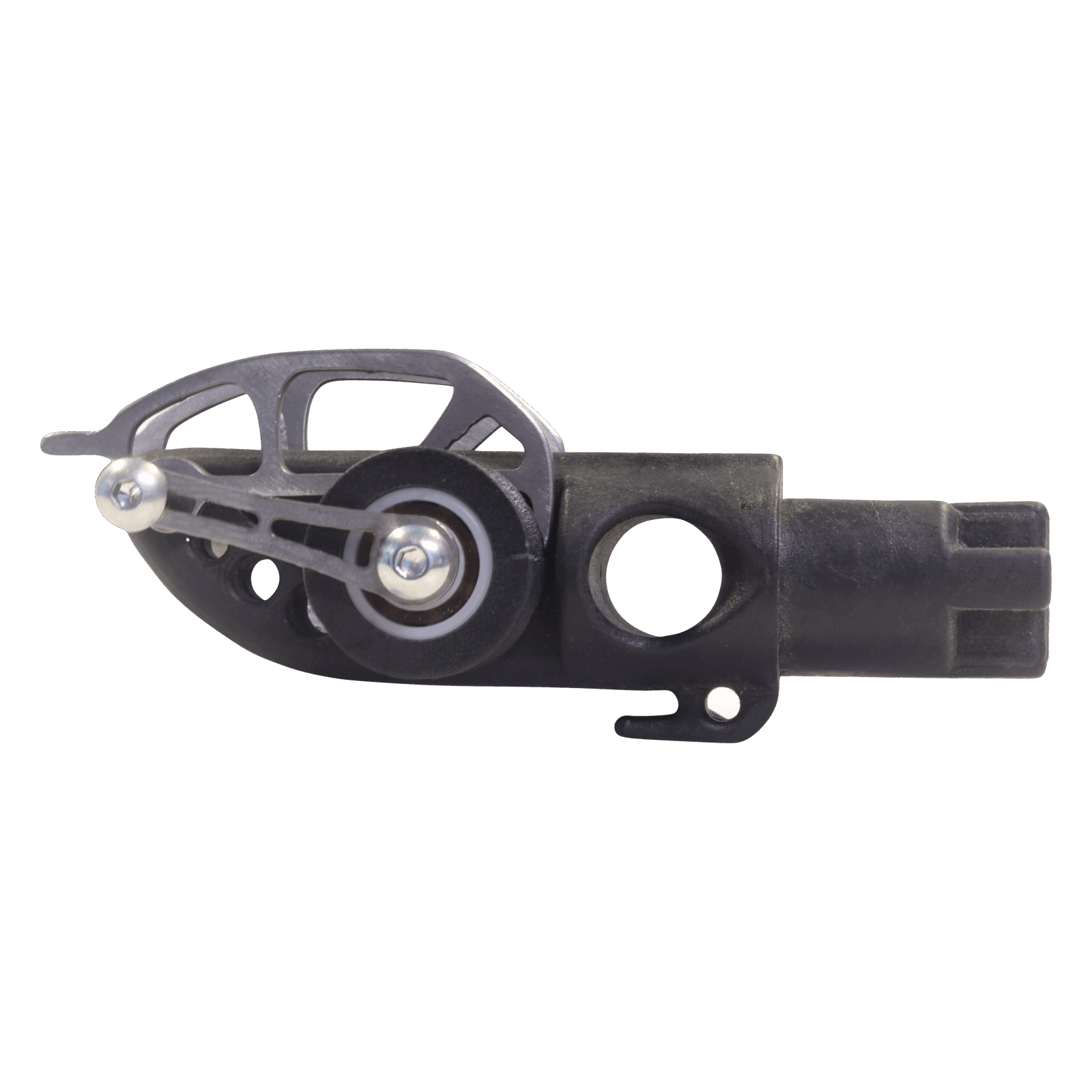 The Freedivers roller muzzle with glass bearings and a booster band is a speargun muzzle system designed to improve power delivery, efficiency, and smoother band movement compared to a traditional setup. A roller muzzle uses rollers mounted at the front of the speargun instead of standard fixed band set up. The rubbers are anchored to attachments at the rear of the barrel and wrap around the rollers at the front and remain under tension for a longer portion of the spear’s travel. Functions and benefits: Extended power stroke – the rubbers continue pulling the spear further down the barrel, increasing energy transfer. More efficient use of band energy – can produce strong performance with shorter or lighter band setups. Reduced recoil – force is distributed more smoothly, helping improve shot control and accuracy. Compact power – allows shorter spearguns to achieve performance closer to longer conventional guns. Rubbers not suplied with muzzle
 -
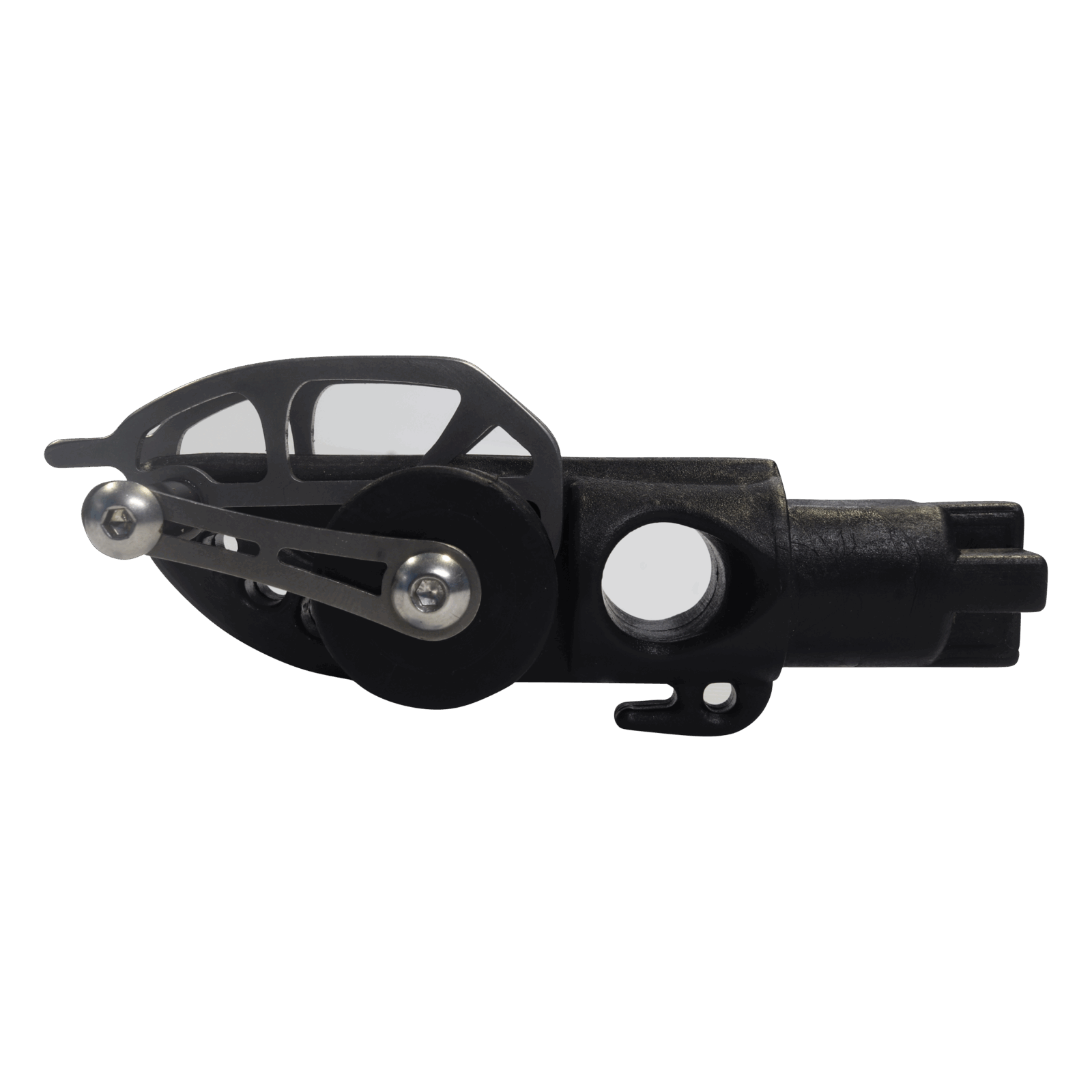 The Freedivers roller muzzle non bearings and a booster band is a speargun muzzle system designed to improve power delivery, efficiency, and smoother band movement compared to a traditional setup. A roller muzzle uses rollers mounted at the front of the speargun instead of standard fixed band set up. The rubbers are anchored to attachments at the rear of the barrel and wrap around the rollers at the front and remain under tension for a longer portion of the spear’s travel. Functions and benefits: Extended power stroke – the rubbers continue pulling the spear further down the barrel, increasing energy transfer. More efficient use of band energy – can produce strong performance with shorter or lighter band setups. Reduced recoil – force is distributed more smoothly, helping improve shot control and accuracy. Compact power – allows shorter spearguns to achieve performance closer to longer conventional guns. Rubber not suppied with muzzle
 -

 The Freedivers roller muzzle with glass bearings is a speargun muzzle system designed to improve power delivery, efficiency, and smoother band movement compared to a traditional setup. A roller muzzle uses rollers mounted at the front of the speargun instead of standard fixed band set up. The rubbers are anchored to attachments at the rear of the barrel and wrap around the rollers at the front and remain under tension for a longer portion of the spear’s travel. Functions and benefits: Extended power stroke – the rubbers continue pulling the spear further down the barrel, increasing energy transfer. More efficient use of band energy – can produce strong performance with shorter or lighter band setups. Reduced recoil – force is distributed more smoothly, helping improve shot control and accuracy. Compact power – allows shorter spearguns to achieve performance closer to longer conventional guns.
 -
 The Freedivers Standard roller muzzle non bearings is a speargun muzzle system designed to improve power delivery, efficiency, and smoother band movement compared to a traditional setup. A roller muzzle uses rollers mounted at the front of the speargun instead of standard fixed band set up. The rubbers are anchored to attachments at the rear of the barrel and wrap around the rollers at the front and remain under tension for a longer portion of the spear’s travel. Functions and benefits: Extended power stroke – the rubbers continue pulling the spear further down the barrel, increasing energy transfer. More efficient use of band energy – can produce strong performance with shorter or lighter band setups. Reduced recoil – force is distributed more smoothly, helping improve shot control and accuracy. Compact power – allows shorter spearguns to achieve performance closer to longer conventional guns. Includes attachment kits Rubber not suppied with muzzle
Masks & Snorkles
-
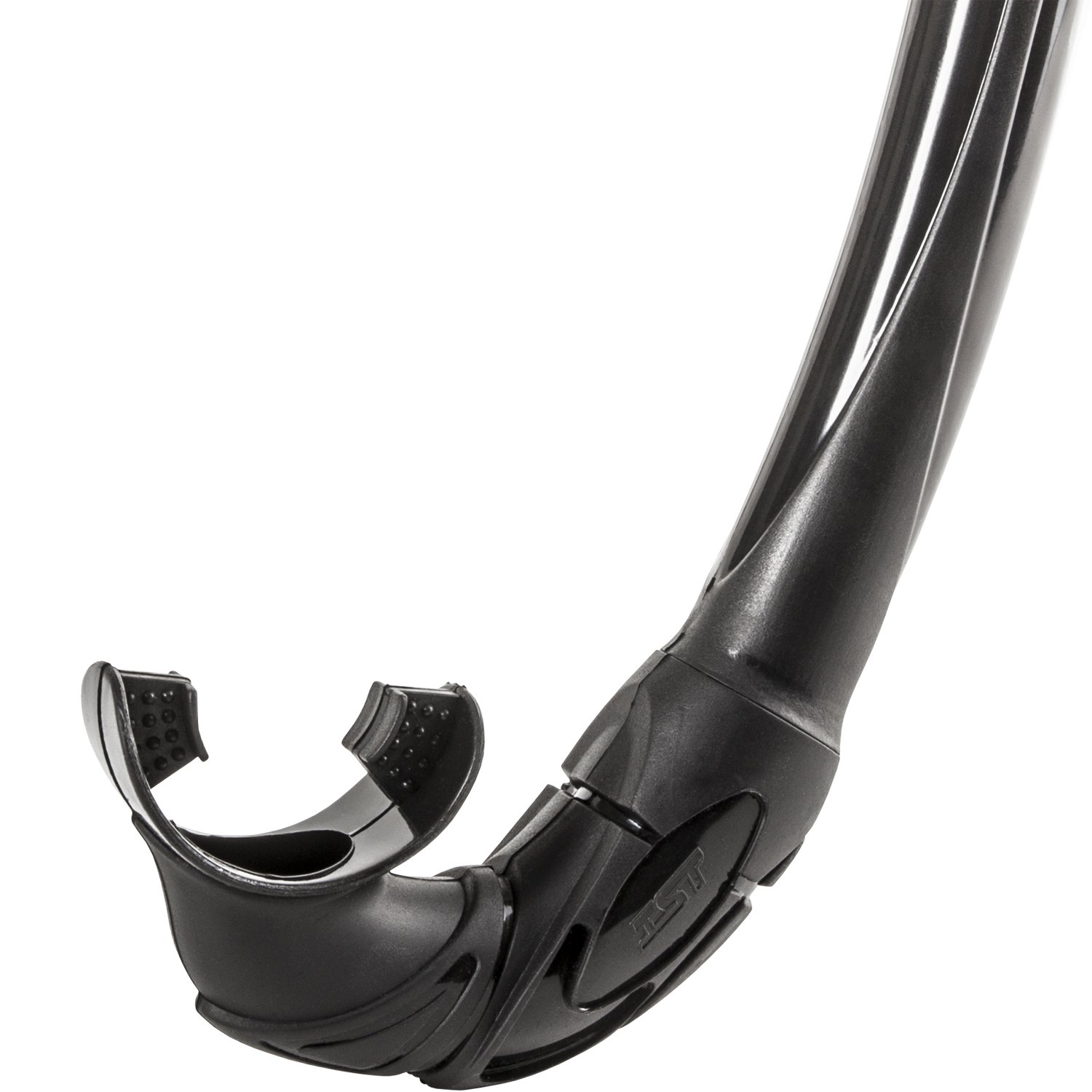
 The IST freedom is a non-purge snorkel designed for recreational snorkelling, spearfishing and scuba diving use. It’s one of the simplest and most reliable snorkels to use. Key Features • Classic non-purge design — simple tube without a water-clearing purge valve (you clear water by exhaling through the top). • Foldable and compact — easy to tuck into a dive BCD pocket or travel bag. • Sturdy snorkel holder — built-in keeper to attach the snorkel securely to your mask strap. • Comfortable silicone mouthpiece — hypoallergenic, shaped to reduce jaw fatigue during longer surface swims.
 -
 The Seac Sub Raptor Mask Blue falls under the Diving Masks category and is available at our Dive Shop. For more info on this item of Dive Gear, please see below: Low volume mask.(75 cm 3 ) Silicone skirt overprinted on the frame. Excellent peripheral vision. Great comfort and discreet design. Frameless Frameless technology, the lenses closer to the eyes allow you to increase the angle of the field of view. Soft silicon The soft silicone of the skirt allows perfect adherence to any type of face Back strap The rear strap has been designed to ensure perfect adherence to the hood of the wetsuit. Buckles with micrometric adjustment The Made in Italy buckles allow the micrometric adjustment of the strap, in a simple way and even with gloves on
 -

 The IST – Hunter Mask
- Extremely low volume design
- Swivel and easy adjust buckles
- Ideal for hunters and photographers
- The highest grade silicone available for a soft comfort seal
- Perfect as a spearfishing, freediving or back-up mask (as it fold easily in your BCD pocket)
- Tempered glass for safety and durability
- Non-polish finished mask skirt prevents sunlight reflection
-

 The IST Freedom Mask
- Frame-less mask made from hypoallergenic liquid silicone
- Shatterproof, tempered glass lens for maximum clarity and safety
- Dual-edge layer seal around lens keeps water out
- Easy adjusting mask buckles attach to skirt to reduce weight and allow mask to fold flat for travel
- Fits a wide range of facial profiles with comfort
-

 The Divetek Frameless Mask What’s so great about a frameless mask? By eliminating the frame, you create a mask that sits closer to your eyes. This provides a wider field of view to better take in the underwater sights, plus it reduces volume which makes it easier to clear. Also, since there is no frame, the buckles attach directly to the skirt. This enables the mask to fold relatively flat for packing or for slipping into a BC cargo pocket. The soft silicone skirt on the frameless is comfortable yet durable, and the double-edge seal feels good against the skin. The push-button buckle system is easy to use and allows for quick adjustments. Buckles attach to flexible tabs on the skirt; this optimizes strap angle when dialing in fit. The wide headband spreads the load on the back of the head, greatly enhancing comfort.
- Frameless single-lens design provides an expansive field of view while reducing volume.
- Soft silicone skirt uses a double-seal system for a comfortable, leak-proof fit.
- Traditional buckles attach to the skirt, enabling the mask to be folded flat for traveling..
- Wide headband allows for a comfortable fit against the back of the head.
-
 The Mares Pure Passion X-tream Diving Mask is a high-performance freediving and spearfishing mask designed for divers who want an ultra-low volume mask with excellent hydrodynamics and wide underwater vision. Its compact, minimalist design reduces drag in the water while making equalisation easier during deeper dives.
 -
 The Saekodive 1035 KS flexible snorkel, designed for comfort, durability, and easy breathing while snorkeling or freediving. Its lightweight flexible tube reduces jaw fatigue and allows for a more natural fit around the face.
 -
 The EZ-Life Silicone Snorkel is a comfortable and reliable snorkel designed for snorkeling, spearfishing, and recreational diving. It features a lightweight semi ridged tube that allows for easy movement in the water. The soft silicone mouthpiece provides a secure and comfortable fit for extended use, while the streamlined design helps reduce drag.
 -
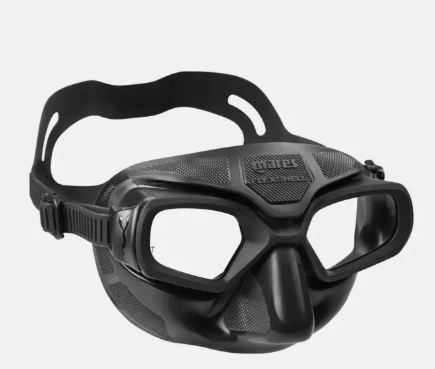
 The Mares Flexshell is an innovative, frameless freediving mask designed for extreme depths it automatically changes shape as ambient pressure increases. This unique self-equalizing mechanism minimizes internal volume and drastically reduces the need for constant equalisation on deep descents.
Masks & Snorkles - Masks
-
The Seac Sub Raptor Mask Blue falls under the Diving Masks category and is available at our Dive Shop. For more info on this item of Dive Gear, please see below: Low volume mask.(75 cm 3 ) Silicone skirt overprinted on the frame. Excellent peripheral vision. Great comfort and discreet design. Frameless Frameless technology, the lenses closer to the eyes allow you to increase the angle of the field of view. Soft silicon The soft silicone of the skirt allows perfect adherence to any type of face Back strap The rear strap has been designed to ensure perfect adherence to the hood of the wetsuit. Buckles with micrometric adjustment The Made in Italy buckles allow the micrometric adjustment of the strap, in a simple way and even with gloves on
-

 The Aqualung Nabul Mask falls under the Diving Masks category and is available at our Dive Shop. For more info on this item of Dive Gear, please see below:Lens and skirt are assembled without a frame to reduce size and weight Single lens style offers an panoramic field of vision Lightweight low-volume design makes clearing water from the mask easy Travel friendly Adjustable buckles
 -

 A revolutionary mask design that positions the lenses within the natural facial recesses of the eyes. This results in significantly improved peripheral vision and an incredibly low internal volume. Plus, patented Micromask technology reduces frame bulk for a low profile, reducing drag.
 -
The IST – Hunter Mask
- Extremely low volume design
- Swivel and easy adjust buckles
- Ideal for hunters and photographers
- The highest grade silicone available for a soft comfort seal
- Perfect as a spearfishing, freediving or back-up mask (as it fold easily in your BCD pocket)
- Tempered glass for safety and durability
- Non-polish finished mask skirt prevents sunlight reflection
-
The IST Freedom Mask
- Frame-less mask made from hypoallergenic liquid silicone
- Shatterproof, tempered glass lens for maximum clarity and safety
- Dual-edge layer seal around lens keeps water out
- Easy adjusting mask buckles attach to skirt to reduce weight and allow mask to fold flat for travel
- Fits a wide range of facial profiles with comfort
-

 The IST sonic is the ideal mask for freediving and spear fishing
- Extreme low volume frameless mask.
- Made from hypoallergenic liquid silicone.
- Perfect design for Spear fishing and Freediving.
- Extreme low volume, but with deep nose space for more comfortable fits.
- Buckle attached on skirt for more flexibility
-
The Divetek Frameless Mask What’s so great about a frameless mask? By eliminating the frame, you create a mask that sits closer to your eyes. This provides a wider field of view to better take in the underwater sights, plus it reduces volume which makes it easier to clear. Also, since there is no frame, the buckles attach directly to the skirt. This enables the mask to fold relatively flat for packing or for slipping into a BC cargo pocket. The soft silicone skirt on the frameless is comfortable yet durable, and the double-edge seal feels good against the skin. The push-button buckle system is easy to use and allows for quick adjustments. Buckles attach to flexible tabs on the skirt; this optimizes strap angle when dialing in fit. The wide headband spreads the load on the back of the head, greatly enhancing comfort.
- Frameless single-lens design provides an expansive field of view while reducing volume.
- Soft silicone skirt uses a double-seal system for a comfortable, leak-proof fit.
- Traditional buckles attach to the skirt, enabling the mask to be folded flat for traveling..
- Wide headband allows for a comfortable fit against the back of the head.
-
The Mares Pure Passion X-tream Diving Mask is a high-performance freediving and spearfishing mask designed for divers who want an ultra-low volume mask with excellent hydrodynamics and wide underwater vision. Its compact, minimalist design reduces drag in the water while making equalisation easier during deeper dives.
-
The Mares Flexshell is an innovative, frameless freediving mask designed for extreme depths it automatically changes shape as ambient pressure increases. This unique self-equalizing mechanism minimizes internal volume and drastically reduces the need for constant equalisation on deep descents.
Masks & Snorkles - Snorkels
-
 Made from a soft silicone ,this snorkel is foldable for easy storage .
 -
The IST freedom is a non-purge snorkel designed for recreational snorkelling, spearfishing and scuba diving use. It’s one of the simplest and most reliable snorkels to use. Key Features • Classic non-purge design — simple tube without a water-clearing purge valve (you clear water by exhaling through the top). • Foldable and compact — easy to tuck into a dive BCD pocket or travel bag. • Sturdy snorkel holder — built-in keeper to attach the snorkel securely to your mask strap. • Comfortable silicone mouthpiece — hypoallergenic, shaped to reduce jaw fatigue during longer surface swims.
-
The Saekodive 1035 KS flexible snorkel, designed for comfort, durability, and easy breathing while snorkeling or freediving. Its lightweight flexible tube reduces jaw fatigue and allows for a more natural fit around the face.
-
The EZ-Life Silicone Snorkel is a comfortable and reliable snorkel designed for snorkeling, spearfishing, and recreational diving. It features a lightweight semi ridged tube that allows for easy movement in the water. The soft silicone mouthpiece provides a secure and comfortable fit for extended use, while the streamlined design helps reduce drag.
Reels
-

 Freedivers standard belt reel is made from 30% glass filled nylon with a stainless steel bracket. Fitted with a dynamic drag system. This reel is hydrodynamic and is designed to reduce drag and move efficiently through water. The low profile design is compact and sits close to the body, making it less obtrusive and more comfortable to use. The spool holds 50 meters of 2mm braid, 60 meters of 1.8mm dyneema and 70 meters of 1.5mm dyneema
 -

 Freediver slim line belt reel is made from 30% glass filled nylon with a stainless steel bracket. Fitted with a dynamic drag system. This reel is hydrodynamic and is designed to reduce drag and move efficiently through water. The low profile design is compact and sits close to the body, making it less obtrusive and more comfortable to use. The spool holds 40 meters of 2mm braid, 50 meters of 1.8mm dyneema and 60 of 1.5mm dyneema .
 -
 Freedivers standard belt reel is made from 30% glass filled nylon with a stainless steel bracket. Fitted with a dynamic drag system. This reel is hydrodynamic and is designed to reduce drag and move efficiently through water. The low profile design is compact and sits close to the body, making it less obtrusive and more comfortable to use. The spool holds 50 meters of 2mm braid, 60 meters of 1.8mm dyneema and 70 meters of 1.5mm dyneema
 -
 Freedivers slim line reel is made from 30% glass filled nylon with a stainless steel bracket. Fitted with a dynamic drag system. The spool holds 40 meters of 2mm braid, 50 meters of 1.8mm dyneema and 60 of 1.5mm dyneema .
 -

 Freedivers standand reel is made from 30% glass filled nylon with a stainless steel bracket. Fitted a dynamic drag system. The spool holds 50 meters of 2mm braid, 60 meters of 1.8mm dyneema and 70 meters of 1.5mm dyneema
 -

 Freedivers slim line reel is made from 30% glass filled nylon with a stainless steel bracket. Fitted with a dynamic drag system. The spool holds 40 meters of 2mm braid, 50 meters of 1.8mm dyneema and 60 of 1.5mm dyneema .
 -
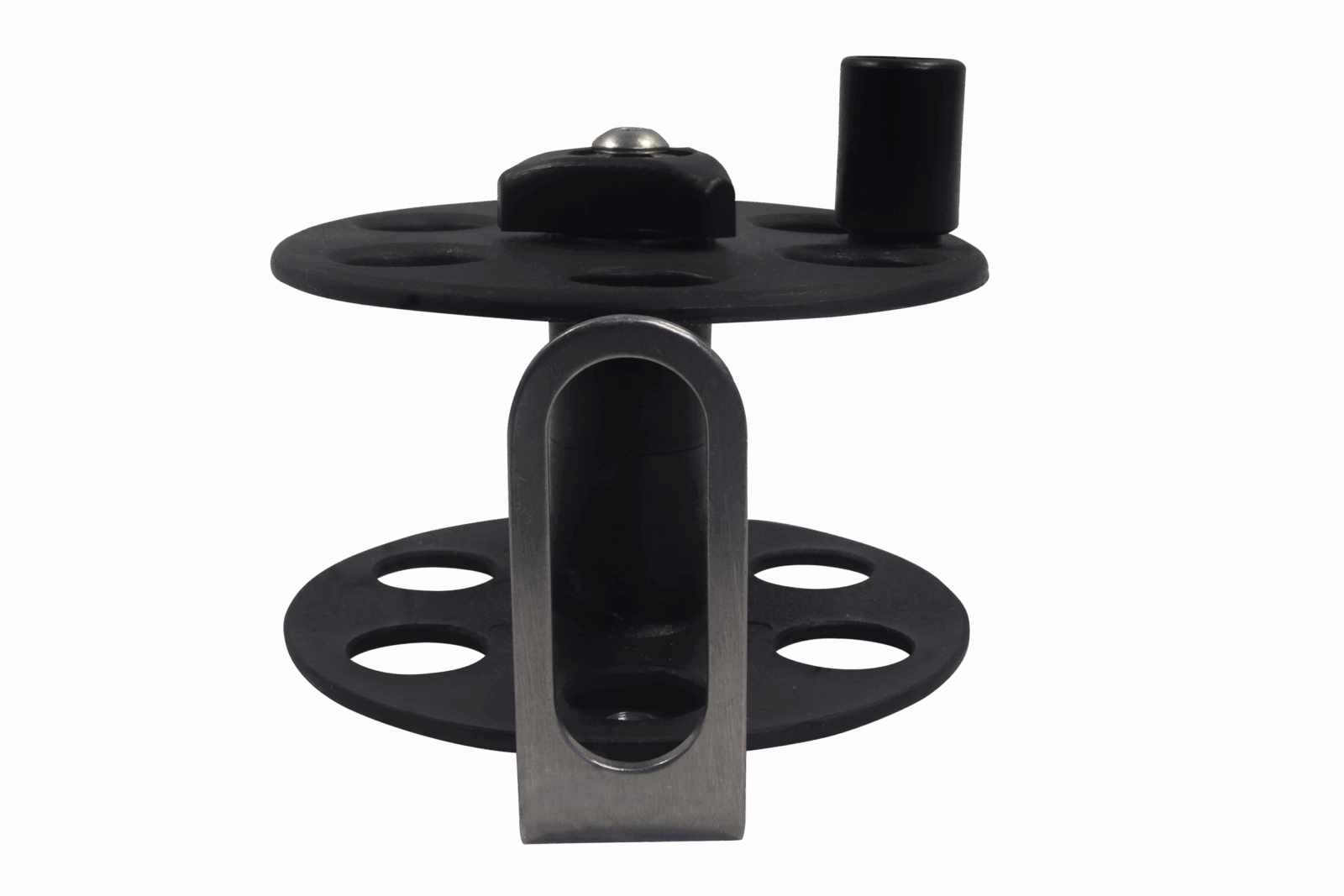 Freedivers standand reel is made from 30% glass filled nylon with a stainless steel bracket. Fitted a dynamic drag system. The spool holds 50 meters of 2mm braid, 60 meters of 1.8mm dyneema and 70 meters of 1.5mm dyneema
 -
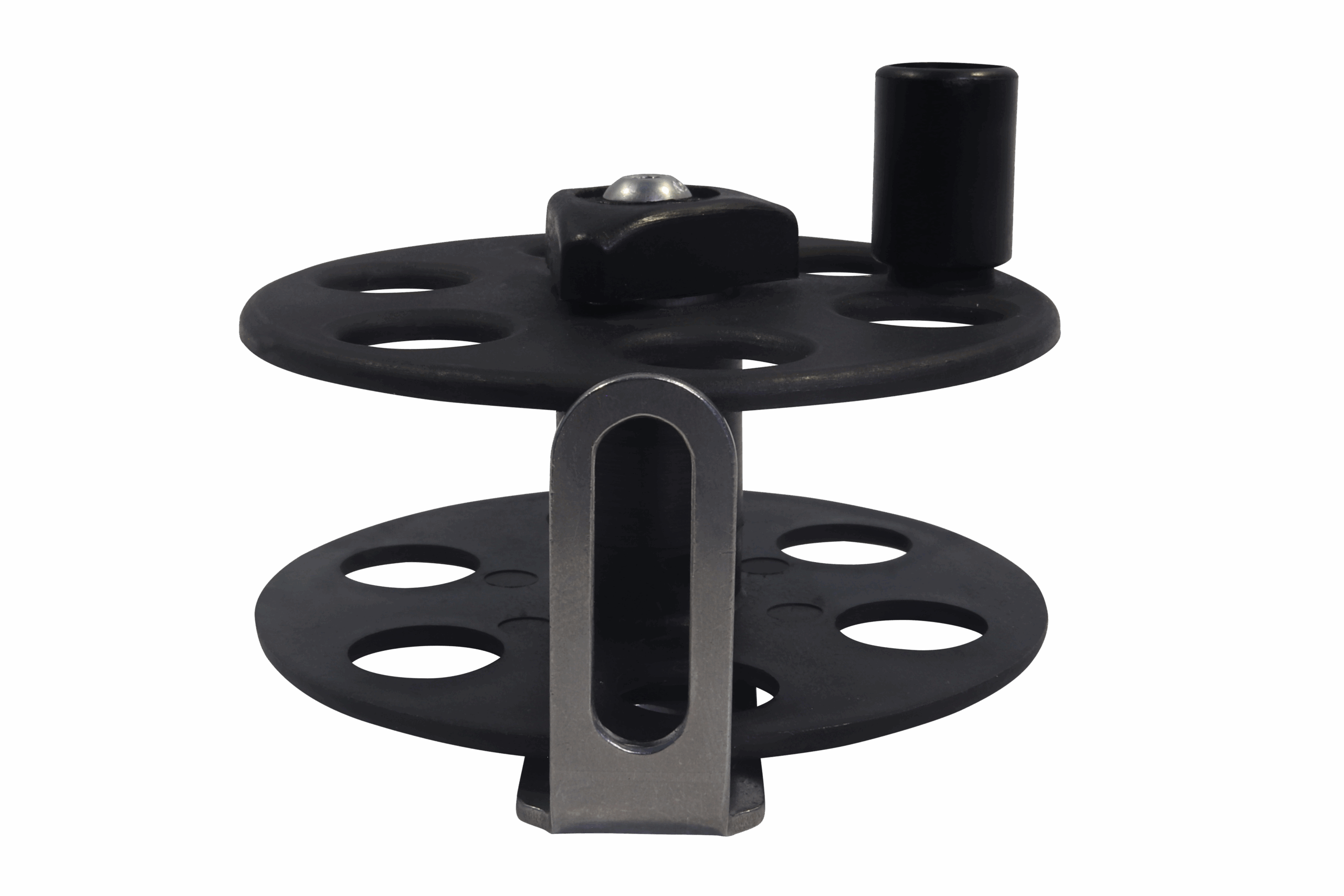 Freedivers slim line reel is made from 30% glass filled nylon with a stainless steel bracket. Fitted with a dynamic drag system. The spool holds 40 meters of 2mm braid, 50 meters of 1.8mm dyneema and 60 of 1.5mm dyneema .
Reels - Reel No Line
-
Freedivers standard belt reel is made from 30% glass filled nylon with a stainless steel bracket. Fitted with a dynamic drag system. This reel is hydrodynamic and is designed to reduce drag and move efficiently through water. The low profile design is compact and sits close to the body, making it less obtrusive and more comfortable to use. The spool holds 50 meters of 2mm braid, 60 meters of 1.8mm dyneema and 70 meters of 1.5mm dyneema
-
Freediver slim line belt reel is made from 30% glass filled nylon with a stainless steel bracket. Fitted with a dynamic drag system. This reel is hydrodynamic and is designed to reduce drag and move efficiently through water. The low profile design is compact and sits close to the body, making it less obtrusive and more comfortable to use. The spool holds 40 meters of 2mm braid, 50 meters of 1.8mm dyneema and 60 of 1.5mm dyneema .
-
Freedivers standand reel is made from 30% glass filled nylon with a stainless steel bracket. Fitted a dynamic drag system. The spool holds 50 meters of 2mm braid, 60 meters of 1.8mm dyneema and 70 meters of 1.5mm dyneema
-
Freedivers slim line reel is made from 30% glass filled nylon with a stainless steel bracket. Fitted with a dynamic drag system. The spool holds 40 meters of 2mm braid, 50 meters of 1.8mm dyneema and 60 of 1.5mm dyneema .
Reels - Reel With Line
-
Freedivers standard belt reel is made from 30% glass filled nylon with a stainless steel bracket. Fitted with a dynamic drag system. This reel is hydrodynamic and is designed to reduce drag and move efficiently through water. The low profile design is compact and sits close to the body, making it less obtrusive and more comfortable to use. The spool holds 50 meters of 2mm braid, 60 meters of 1.8mm dyneema and 70 meters of 1.5mm dyneema
-
Freedivers slim line reel is made from 30% glass filled nylon with a stainless steel bracket. Fitted with a dynamic drag system. The spool holds 40 meters of 2mm braid, 50 meters of 1.8mm dyneema and 60 of 1.5mm dyneema .
-
Freedivers standand reel is made from 30% glass filled nylon with a stainless steel bracket. Fitted a dynamic drag system. The spool holds 50 meters of 2mm braid, 60 meters of 1.8mm dyneema and 70 meters of 1.5mm dyneema
-
Freedivers slim line reel is made from 30% glass filled nylon with a stainless steel bracket. Fitted with a dynamic drag system. The spool holds 40 meters of 2mm braid, 50 meters of 1.8mm dyneema and 60 of 1.5mm dyneema .
Reels - Reel Accessories
-


2mm Braided Speargun Reel Line
2 mm braided line is a popular choice for speargun reels thanks to its excellent balance of strength, low drag, and smooth handling. Made from high-performance fibres such as Dyneema or UHMWPE, this thin yet incredibly strong braid offers exceptional abrasion resistance and minimal stretch, giving divers reliable performance when fighting powerful fish.
Its slim profile allows more line capacity on your reel, making it ideal for deeper dives, fast-running pelagics, or compact reels where space is limited. The braid feeds off the reel smoothly, reducing friction and preventing jams, while the tight weave ensures long-lasting durability even around rocks, reefs, and structure.
Perfect for reef and blue-water hunting, 2 mm braid provides the sensitivity, strength, and reliability needed for secure shots and controlled fights in any conditions.
r -


2mm Braided Speargun Reel Line
2 mm braided line is a popular choice for speargun reels thanks to its excellent balance of strength, low drag, and smooth handling. Made from high-performance fibres such as Dyneema or UHMWPE, this thin yet incredibly strong braid offers exceptional abrasion resistance and minimal stretch, giving divers reliable performance when fighting powerful fish.
Its slim profile allows more line capacity on your reel, making it ideal for deeper dives, fast-running pelagics, or compact reels where space is limited. The braid feeds off the reel smoothly, reducing friction and preventing jams, while the tight weave ensures long-lasting durability even around rocks, reefs, and structure.
Perfect for reef and blue-water hunting, 2 mm braid provides the sensitivity, strength, and reliability needed for secure shots and controlled fights in any conditions.
-


2mm Braided Speargun Reel Line
2 mm braided line is a popular choice for speargun reels thanks to its excellent balance of strength, low drag, and smooth handling. Made from high-performance fibres such as Dyneema or UHMWPE, this thin yet incredibly strong braid offers exceptional abrasion resistance and minimal stretch, giving divers reliable performance when fighting powerful fish.
Its slim profile allows more line capacity on your reel, making it ideal for deeper dives, fast-running pelagics, or compact reels where space is limited. The braid feeds off the reel smoothly, reducing friction and preventing jams, while the tight weave ensures long-lasting durability even around rocks, reefs, and structure.
Perfect for reef and blue-water hunting, 2 mm braid provides the sensitivity, strength, and reliability needed for secure shots and controlled fights in any conditions.
-


-
Shooting Line:
Dyneema’s low stretch and incredible abrasion resistance make it ideal for shooting lines that maintain accuracy and withstand contact with rocks, reefs, and fish scales. -
Reel Line:
High tensile strength allows thinner diameters without sacrificing performance, letting divers carry more line on compact reels. -
Wishbones / Soft Bridles:
Soft Dyneema wishbones are safe, silent, and extremely durable, even under repeated loading of strong bands.
-
Fins
-

 Pathos footpockets are designed to provide top comfort, perfect feeling, great stability and the lowest weight. They are made of pure latex that is vulcanized in Pathos factory in Greece, by specially designed rubber injection machines. Pathos in respect to the environment uses only A class recycled or/and recyclable materials. This footpocket is made by three different mixtures of pure latex in order to be soft on toes and heel, medium on the side nerves to allow the blade move freely and hard on metatarsals and the bottom of the foot for stability. Every footpocket passes multiple checks prior to stocking and shipping world wide. All carbon blades can be installed easily with the minimum effort with a few drops of superglue. Pathos footpockets are available with Hard nerves for the blade to use mainly its tip or Soft nerves to allow the blade to move all along its length.
 -
 The innovative Razor Pro fins deliver the best performance among all technopolymer fins currently on the market. They are a benchmark for the most demanding freedivers and spearfishermen.
 -
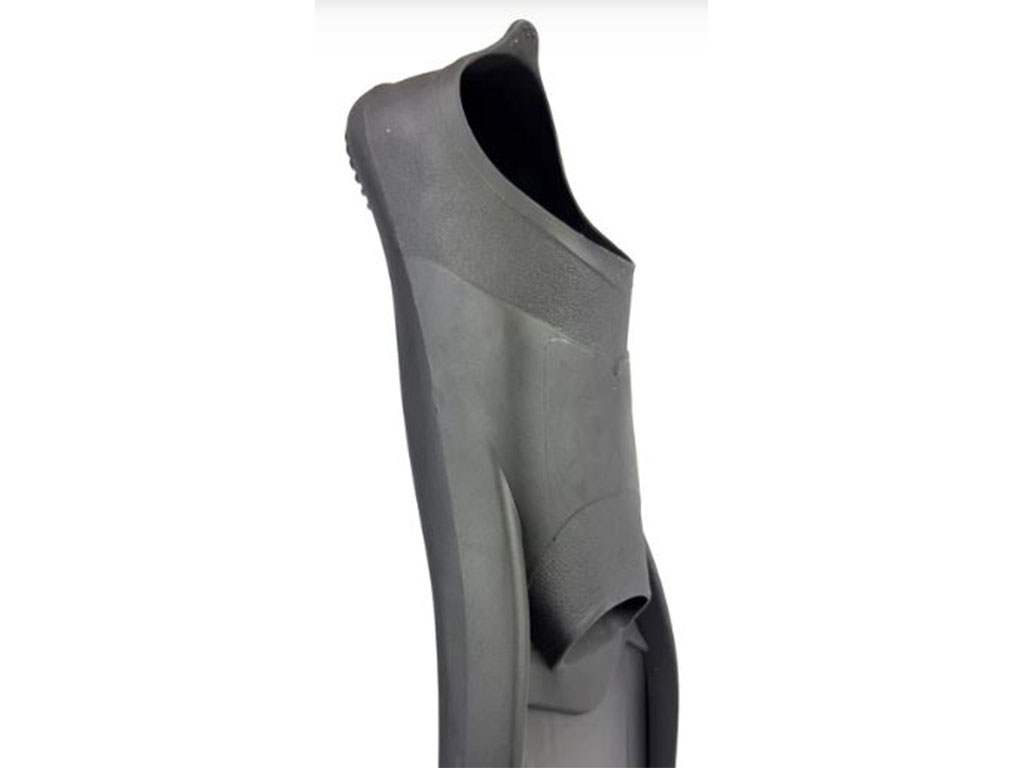
 The Reef H2O Freedive Fin is a versatile freediving and spearfishing fin designed for divers of all levels — from beginners to more experienced spearos and apnea divers. It’s a modular, interchangeable-blade fin system that blends comfort, power and adaptability in one package. Modular Blade Design – The blades can be swapped out quickly, allowing you to tailor performance depending on your dive type (e.g., more thrust vs. easier kicking). Comfortable Foot Pocket – Made with TPR (thermoplastic rubber) for softness and flexibility around the foot, ensuring comfort even on long dives. Power Transfer – The stiffer sole under the foot pocket and heel improves energy transfer to the blades for stronger propulsion. Efficient Blade Angle – The blade’s angle is optimized to increase efficiency through the kick cycle, requiring less energy while descending and ascending. Use With or Without Socks – Can comfortably be used without neoprene socks, though socks can add warmth and protection depending on conditions. Blade Stabilizers – These help keep the fins tracking straight and improve stability underwater. Fit & Sizes Available in a range of sizes from XS through XL to suit various foot sizes — typically UK sizes from around 5.5 to 13. These fins are suited for: Freediving — offering good balance between ease of kicking and efficient propulsion for dives. Spearfishing — long blade performance helps you move quietly and efficiently through water when hunting fish.
Fins - Fins & Foot Pockets
-
Pathos footpockets are designed to provide top comfort, perfect feeling, great stability and the lowest weight. They are made of pure latex that is vulcanized in Pathos factory in Greece, by specially designed rubber injection machines. Pathos in respect to the environment uses only A class recycled or/and recyclable materials. This footpocket is made by three different mixtures of pure latex in order to be soft on toes and heel, medium on the side nerves to allow the blade move freely and hard on metatarsals and the bottom of the foot for stability. Every footpocket passes multiple checks prior to stocking and shipping world wide. All carbon blades can be installed easily with the minimum effort with a few drops of superglue. Pathos footpockets are available with Hard nerves for the blade to use mainly its tip or Soft nerves to allow the blade to move all along its length.
Fins - Plastic Fins
-
The innovative Razor Pro fins deliver the best performance among all technopolymer fins currently on the market. They are a benchmark for the most demanding freedivers and spearfishermen.
-
The Reef H2O Freedive Fin is a versatile freediving and spearfishing fin designed for divers of all levels — from beginners to more experienced spearos and apnea divers. It’s a modular, interchangeable-blade fin system that blends comfort, power and adaptability in one package. Modular Blade Design – The blades can be swapped out quickly, allowing you to tailor performance depending on your dive type (e.g., more thrust vs. easier kicking). Comfortable Foot Pocket – Made with TPR (thermoplastic rubber) for softness and flexibility around the foot, ensuring comfort even on long dives. Power Transfer – The stiffer sole under the foot pocket and heel improves energy transfer to the blades for stronger propulsion. Efficient Blade Angle – The blade’s angle is optimized to increase efficiency through the kick cycle, requiring less energy while descending and ascending. Use With or Without Socks – Can comfortably be used without neoprene socks, though socks can add warmth and protection depending on conditions. Blade Stabilizers – These help keep the fins tracking straight and improve stability underwater. Fit & Sizes Available in a range of sizes from XS through XL to suit various foot sizes — typically UK sizes from around 5.5 to 13. These fins are suited for: Freediving — offering good balance between ease of kicking and efficient propulsion for dives. Spearfishing — long blade performance helps you move quietly and efficiently through water when hunting fish.
Accessories
-
 Mask strap
 -
 Wishbone system, no tools required for install. (plugin and go system)
 -
 These Stringers are manufactured using a 2mm. Stainless Steel Cable & plastic coating with a 8mm Stainless Steel Spike. A fish stringer is a tool used in spearfishing to secure and transport the fish you catch in the water. It's a simple device designed to hold your catch together while you continue to hunt for more fish. The stringer typically consists of a line or cable with a spike attached to it. Here's how a fish stringer for spearfishing works:
- Capture the Fish: After successfully spearing a fish, you can use the stringer to secure the catch. Make sure the fish is properly speared and incapacitated before attempting to string it.
- Attach the Fish: Insert the stringer spike through the fish's gills or mouth and out its mouth or gills, depending on the design of the stringer.
- Secure the Fish: Once the fish is threaded onto the stringer, secure it in place using the , provided on the stringer. This prevents the fish from coming off while you continue to hunt.
- Continue Spearfishing: With the fish secured on the stringer, you can continue your spearfishing expedition. The fish will remain with you as you move through the water, allowing you to collect more catches
- Transport and Store: When you're ready to head back to the shore , the fish stringer makes it convenient to transport your catches. The fish will stay attached to the stringer until you're ready to clean, prepare, or store them.
-
 These Stringers are manufactured using a 2mm. Stainless Steel Cable and a 8mm Stainless Steel Spike. A fish stringer is a tool used in spearfishing to secure and transport the fish you catch in the water. It's a simple device designed to hold your catch together while you continue to hunt for more fish. The stringer typically consists of a line or cable with a spike attached to it. Here's how a fish stringer for spearfishing works:
- Capture the Fish: After successfully spearing a fish, you can use the stringer to secure the catch. Make sure the fish is properly speared and incapacitated before attempting to string it.
- Attach the Fish: Insert the stringer spike through the fish's gills or mouth and out its mouth or gills, depending on the design of the stringer.
- Secure the Fish: Once the fish is threaded onto the stringer, secure it in place using the , provided on the stringer. This prevents the fish from coming off while you continue to hunt.
- Continue Spearfishing: With the fish secured on the stringer, you can continue your spearfishing expedition. The fish will remain with you as you move through the water, allowing you to collect more catches
- Transport and Store: When you're ready to head back to the shore , the fish stringer makes it convenient to transport your catches. The fish will stay attached to the stringer until you're ready to clean, prepare, or store them.
-

 D.O.W Spearfishing Flat Stainless Steel – 420 Grade The D.O.W flat stainless steel is precision-made from 420 stainless steel, offering an excellent balance of strength, durability, and corrosion resistance for demanding spearfishing conditions. Designed with a flat profile, it provides reliable rigidity and consistent performance underwater. 420 stainless steel is well known for its ability to achieve a hard, sharp edge while maintaining toughness, making it ideal for marine applications where strength and wear resistance matter. The material’s corrosion resistance ensures long service life in saltwater environments when properly maintained. Ideal for spearfishing components requiring accuracy, strength, and reliability, the D.O.W flat stainless steel delivers dependable performance dive after dive. Key Features: Manufactured from 420 stainless steel Flat profile for strength and stability Good corrosion resistance in saltwater High hardness and wear resistance Suitable for demanding spearfishing use
 -

 2mm crimps
 -
 snap clip
 -
 A utility clip for spearfishing is a versatile accessory that helps divers conveniently attach and carry various tools and equipment while underwater. Spearfishing often involves using a combination of gear such as spearguns, knives, fish stringers, flashlights, and more. Having a utility clip can make it easier to keep these tools accessible and organized during your dive.
Accessories - Bags
-
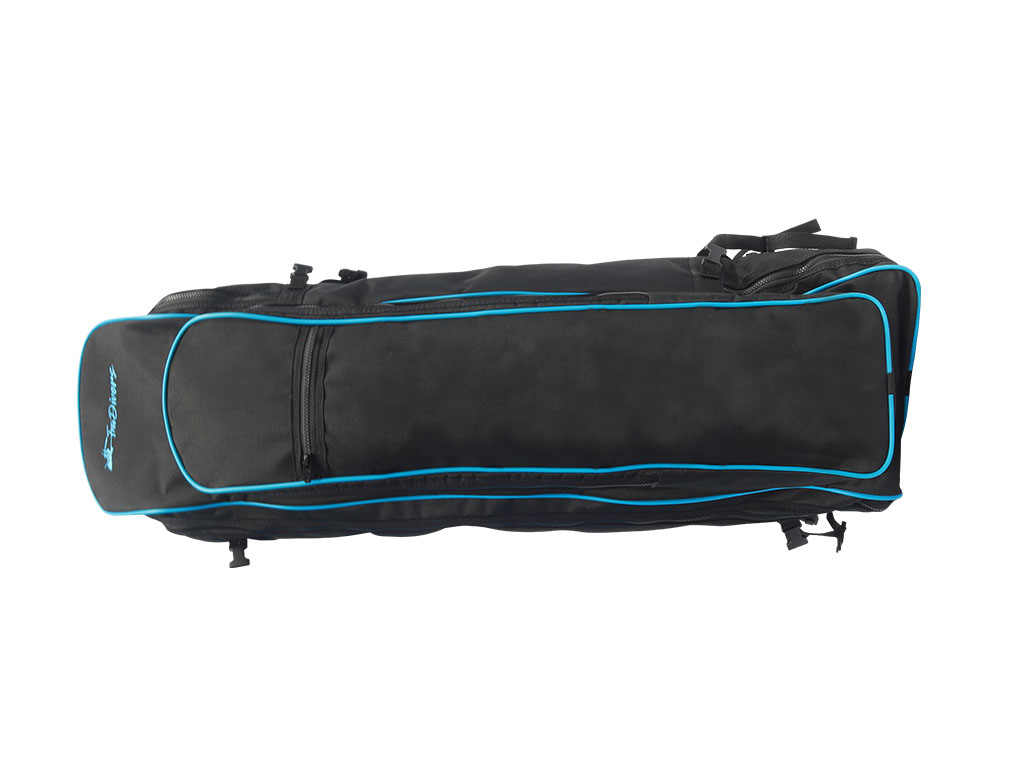
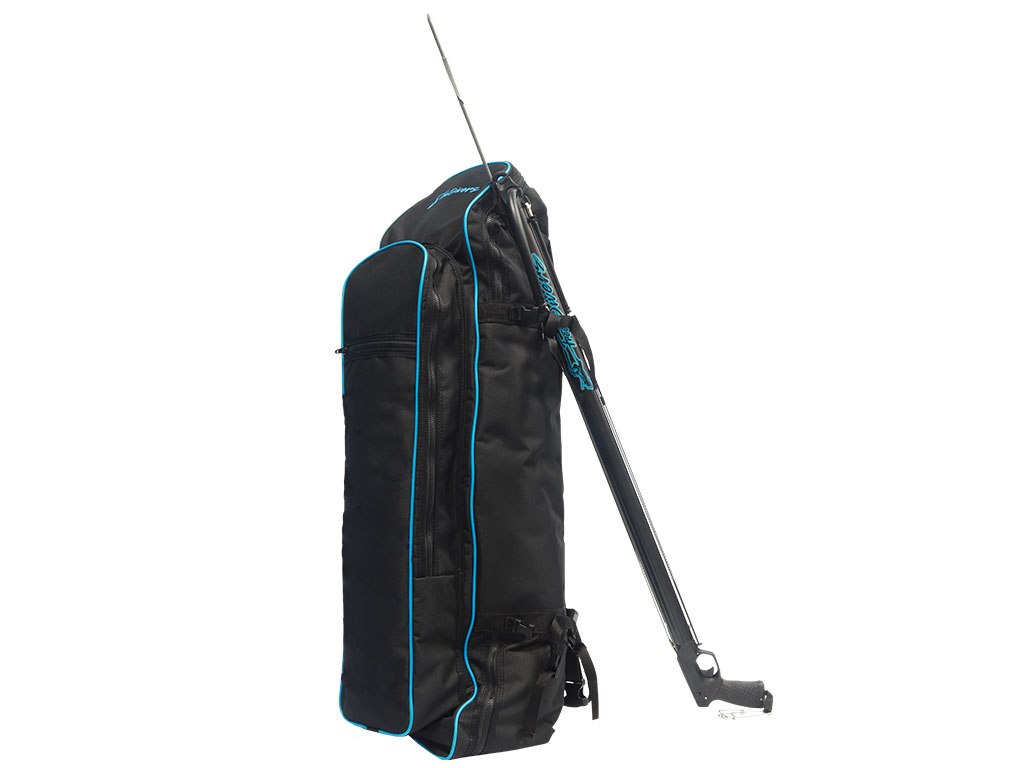 The spearfishing back pack is made from a D600 material and has plastic zip chain and slider ,it has single large additional storage pocket. DIMs 107 x 25 x 20 cm
 -
 This bag is the ideal size for travelling or stowing away on a boat, it is only 110cm x 24cm x 16cm and is Made from a durable D600 nylon material with plastic zip chain and slider. Fits a pair of long fins ,wetsuit, mask and snorkel. This bag has two extra pockets on the inside to store extra items.
 -

 The mini kit bag is made from a D1200 material and has plastic zip chain and slider DIMs 50 x 20 x 20 cm
 -
The standard kit bag is made from a D1200 material and has plastic zip chain and slider DIMs 60 x 27 x 27 cm
-

 Heavy-duty duffel bag crafted from rugged 1200D canvas for superior strength and long-lasting performance. Fitted with durable plastic zip chain and sliders for smooth, reliable access, even under frequent use. Features reinforced webbing shoulder straps and carry handles for comfortable transport and added durability. With dimensions of 55cm (L) x 30cm (W) x 30cm (H), this bag offers ample storage space while maintaining a practical, easy-to-carry size—ideal for travel, gym use, or everyday gear.
 -
 For crayfish, Oysters and Abalone
 -
 Durable PVC Crayfish / Mussel Bag designed for harsh marine conditions. Manufactured from heavy-duty, waterproof PVC material, this bag offers excellent resistance to abrasion, saltwater, and UV exposure. The robust construction ensures long-lasting performance, making it ideal for spearfishing, diving, and shellfish collection.
 -
 Freedivers Standard Cray Bag — a compact, waist-worn catch bag designed for cray fishing. It provides an efficient, hands-free way to carry your catch. Cray fish bags 450mm x 400mm
 -
 Dimensions: 280mm x 50mm
 -
 Dimensions: 280mm x 50mm. 550gm PVC designed to roll up into a smaller bag, turns into a backpack for fish and crayfish
 -
 The padded gun bag is made from a PVC material and has plastic zip chain and slider , with one additional inner storage pocket DIMs 180 x 20 10 cm
 -
 Dimensions: 2m x 280mm x 50mm. Manufacfured using a 550gm A-grade PVC.
Accessories - Boingies
-
 Avalible in : –1 meter – 3 meter – 5 meter
 -

 Makes rigging of gun easier. 10cm long and fitted at the muzzle end of the gun
 -
 10mm hollow latex bungee rubber is an elastic shock cord made with a natural latex rubber core and a hollow center, with an outside diameter of approximately 10 mm. In spearfishing, 10 mm hollow latex bungee is often used between the float line and float or between the float and speargun system to soften the impact when a fish runs and reduce line shock. Typical characteristics (can vary by manufacturer): Stretch ratio: often 2×–3× original length UV resistance: moderate (latex lasts longer if rinsed and stored out of sun) Saltwater use: suitable with regular rinsing
Accessories - Braided Line Colors
-
2mm Braided Speargun Reel Line
2 mm braided line is a popular choice for speargun reels thanks to its excellent balance of strength, low drag, and smooth handling. Made from high-performance fibres such as Dyneema or UHMWPE, this thin yet incredibly strong braid offers exceptional abrasion resistance and minimal stretch, giving divers reliable performance when fighting powerful fish.
Its slim profile allows more line capacity on your reel, making it ideal for deeper dives, fast-running pelagics, or compact reels where space is limited. The braid feeds off the reel smoothly, reducing friction and preventing jams, while the tight weave ensures long-lasting durability even around rocks, reefs, and structure.
Perfect for reef and blue-water hunting, 2 mm braid provides the sensitivity, strength, and reliability needed for secure shots and controlled fights in any conditions.
r -
2mm Braided Speargun Reel Line
2 mm braided line is a popular choice for speargun reels thanks to its excellent balance of strength, low drag, and smooth handling. Made from high-performance fibres such as Dyneema or UHMWPE, this thin yet incredibly strong braid offers exceptional abrasion resistance and minimal stretch, giving divers reliable performance when fighting powerful fish.
Its slim profile allows more line capacity on your reel, making it ideal for deeper dives, fast-running pelagics, or compact reels where space is limited. The braid feeds off the reel smoothly, reducing friction and preventing jams, while the tight weave ensures long-lasting durability even around rocks, reefs, and structure.
Perfect for reef and blue-water hunting, 2 mm braid provides the sensitivity, strength, and reliability needed for secure shots and controlled fights in any conditions.
-
2mm Braided Speargun Reel Line
2 mm braided line is a popular choice for speargun reels thanks to its excellent balance of strength, low drag, and smooth handling. Made from high-performance fibres such as Dyneema or UHMWPE, this thin yet incredibly strong braid offers exceptional abrasion resistance and minimal stretch, giving divers reliable performance when fighting powerful fish.
Its slim profile allows more line capacity on your reel, making it ideal for deeper dives, fast-running pelagics, or compact reels where space is limited. The braid feeds off the reel smoothly, reducing friction and preventing jams, while the tight weave ensures long-lasting durability even around rocks, reefs, and structure.
Perfect for reef and blue-water hunting, 2 mm braid provides the sensitivity, strength, and reliability needed for secure shots and controlled fights in any conditions.
-


2mm Braided Speargun Reel Line
2 mm braided line is a popular choice for speargun reels thanks to its excellent balance of strength, low drag, and smooth handling. Made from high-performance fibres such as Dyneema or UHMWPE, this thin yet incredibly strong braid offers exceptional abrasion resistance and minimal stretch, giving divers reliable performance when fighting powerful fish.
Its slim profile allows more line capacity on your reel, making it ideal for deeper dives, fast-running pelagics, or compact reels where space is limited. The braid feeds off the reel smoothly, reducing friction and preventing jams, while the tight weave ensures long-lasting durability even around rocks, reefs, and structure.
Perfect for reef and blue-water hunting, 2 mm braid provides the sensitivity, strength, and reliability needed for secure shots and controlled fights in any conditions.
Accessories - Flashers
-

 The flasher's primary function is to imitate the appearance and movement of smaller fish or prey, which in turn entices larger predatory fish to approach, making them more vulnerable to the spearfisher's efforts. The visual stimulation provided by the flasher can trigger curiosity and hunting instincts in the target fish species, leading them to move closer and investigate.
- Reflective Material: Many flashers are constructed with materials that catch and reflect sunlight or ambient underwater light. These reflective surfaces create flashes of light that resemble the scales of smaller fish catching light as they move.
- Colorful Patterns: Flashers often incorporate vibrant colors that mimic the appearance of prey fish. These colors can range from silvery whites to iridescent blues and greens, aiming to replicate the natural hues of baitfish.
- Movement Enhancers: Some flashers are designed with additional features that enhance movement. These might include small wings, spinning blades, or other appendages that create subtle vibrations and fluctuations in the water, adding to the illusion of live prey.
- Depth Adjustability: Flashers can be attached to various depths in the water column, allowing spearfishers to target specific fish species that inhabit different parts of the ocean.
-

 The flasher's primary function is to imitate the appearance and movement of smaller fish or prey, which in turn entices larger predatory fish to approach, making them more vulnerable to the spearfisher's efforts. The visual stimulation provided by the flasher can trigger curiosity and hunting instincts in the target fish species, leading them to move closer and investigate.
- Reflective Material: Many flashers are constructed with materials that catch and reflect sunlight or ambient underwater light. These reflective surfaces create flashes of light that resemble the scales of smaller fish catching light as they move.
- Colorful Patterns: Flashers often incorporate vibrant colors that mimic the appearance of prey fish. These colors can range from silvery whites to iridescent blues and greens, aiming to replicate the natural hues of baitfish.
- Movement Enhancers: Some flashers are designed with additional features that enhance movement. These might include small wings, spinning blades, or other appendages that create subtle vibrations and fluctuations in the water, adding to the illusion of live prey.
- Depth Adjustability: Flashers can be attached to various depths in the water column, allowing spearfishers to target specific fish species that inhabit different parts of the ocean.
-

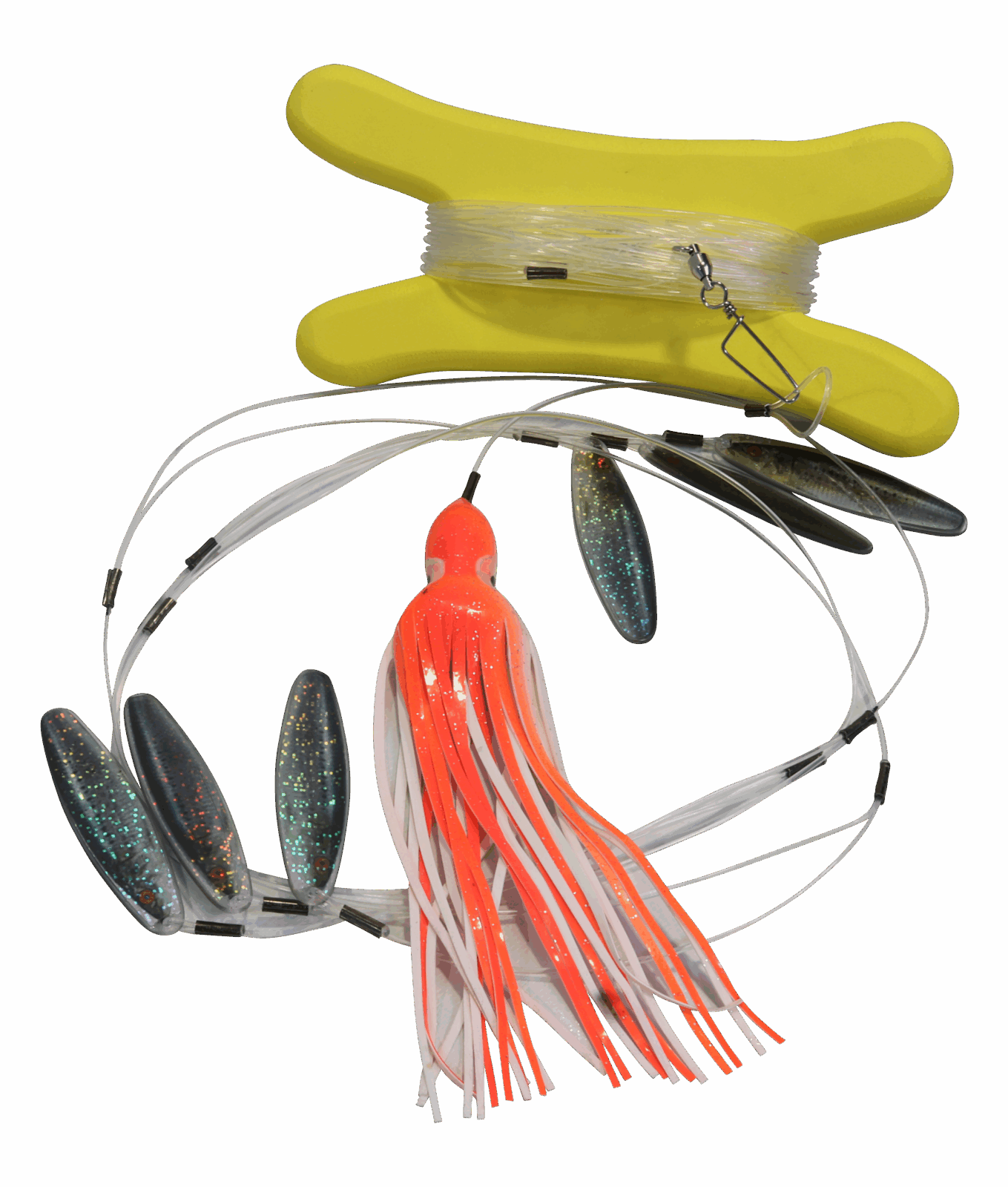 A spearfishing flasher is a specialized underwater device designed to attract fish and increase the success rate of spearfishing expeditions. It typically consists of a combination of reflective materials, vibrant colors, and sometimes additional elements that collectively create a visual spectacle beneath the water's surface.
- Reflective Material: Many flashers are constructed with materials that catch and reflect sunlight or ambient underwater light. These reflective surfaces create flashes of light that resemble the scales of smaller fish catching light as they move.
- Colorful Patterns: Flashers often incorporate vibrant colors that mimic the appearance of prey fish. These colors can range from silvery whites to iridescent blues and greens, aiming to replicate the natural hues of baitfish.
- Movement Enhancers: Some flashers are designed with additional features that enhance movement. These might include small wings, spinning blades, or other appendages that create subtle vibrations and fluctuations in the water, adding to the illusion of live prey.
- Depth Adjustability: Flashers can be attached to various depths in the water column, allowing spearfishers to target specific fish species that inhabit different parts of the ocean.
-
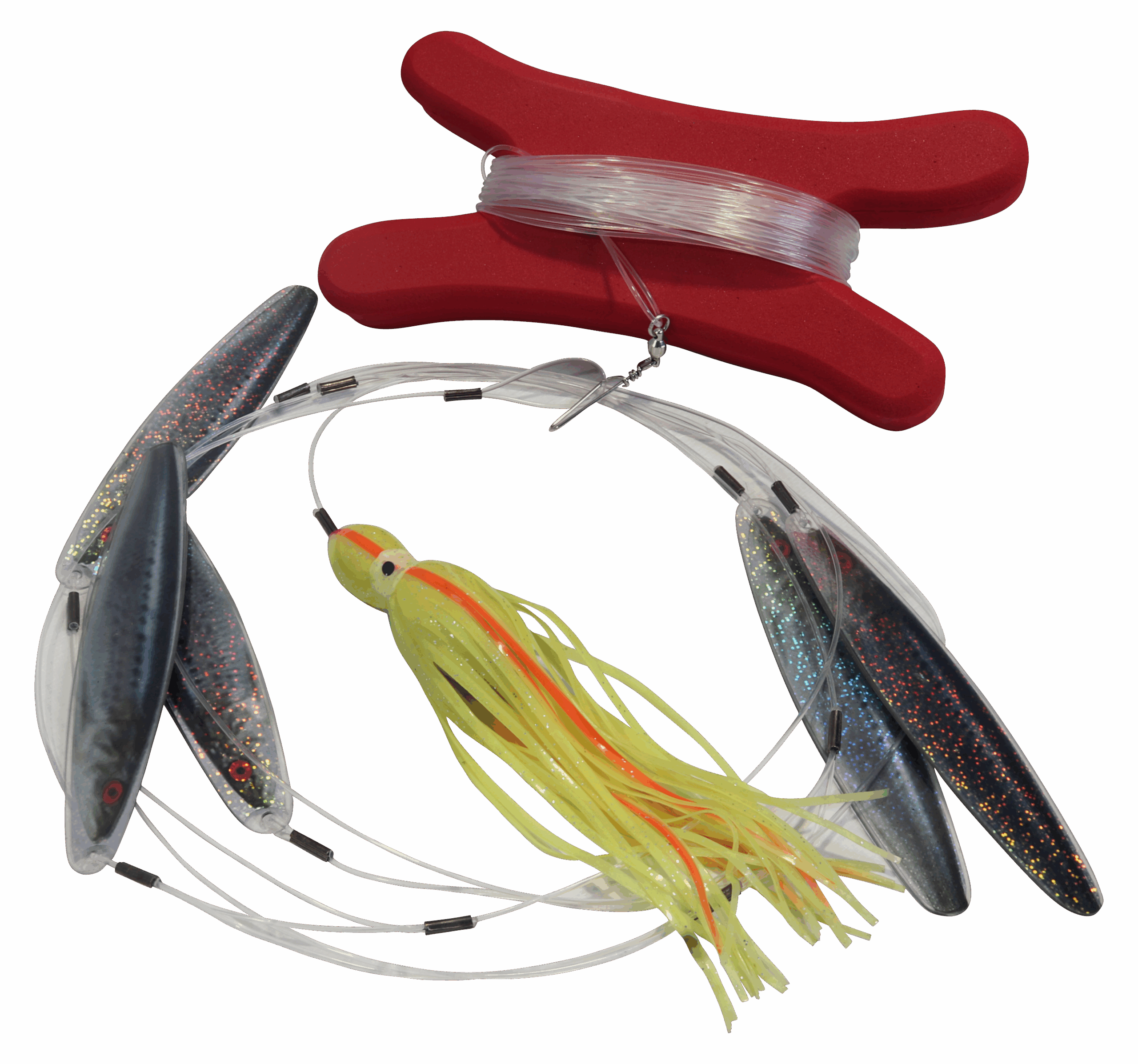 The flasher's primary function is to imitate the appearance and movement of smaller fish or prey, which in turn entices larger predatory fish to approach, making them more vulnerable to the spearfisher's efforts. The visual stimulation provided by the flasher can trigger curiosity and hunting instincts in the target fish species, leading them to move closer and investigate.
- Reflective Material: Many flashers are constructed with materials that catch and reflect sunlight or ambient underwater light. These reflective surfaces create flashes of light that resemble the scales of smaller fish catching light as they move.
- Colorful Patterns: Flashers often incorporate vibrant colors that mimic the appearance of prey fish. These colors can range from silvery whites to iridescent blues and greens, aiming to replicate the natural hues of baitfish.
- Movement Enhancers: Some flashers are designed with additional features that enhance movement. These might include small wings, spinning blades, or other appendages that create subtle vibrations and fluctuations in the water, adding to the illusion of live prey.
- Depth Adjustability: Flashers can be attached to various depths in the water column, allowing spearfishers to target specific fish species that inhabit different parts of the ocean.
Accessories - Speargun rubbers
-

 20mm bands sold per meter made up
These rubbers are designed to stretch and contract with force, storing potential energy as they stretch and releasing it rapidly to propel the spear forward with significant speed and precision. The use of US latex ensures consistent performance and longevity, making them a dependable choice for spearfishing enthusiasts and professionals alike.
20mm bands sold per meter made up
These rubbers are designed to stretch and contract with force, storing potential energy as they stretch and releasing it rapidly to propel the spear forward with significant speed and precision. The use of US latex ensures consistent performance and longevity, making them a dependable choice for spearfishing enthusiasts and professionals alike.
- Elasticity: US latex's inherent elasticity allows the rubber bands to stretch without losing their original shape. This elasticity translates to powerful shots that deliver the spear with force and accuracy.
- Durability: US latex is known for its durability and resistance to degradation caused by water exposure and UV rays. This durability ensures that the rubber bands maintain their performance even after prolonged use in challenging underwater conditions.
- Consistency: Spear gun rubbers made from US latex provide consistent tension and power throughout their lifespan, resulting in reliable and predictable shots.
- Efficiency: The efficient energy transfer of US latex rubbers maximizes the speargun's potential to propel the spear at the target, increasing the chances of a successful catch.
-

 16mm bands sold per meter made up
 These rubbers are designed to stretch and contract with force, storing potential energy as they stretch and releasing it rapidly to propel the spear forward with significant speed and precision. The use of US latex ensures consistent performance and longevity, making them a dependable choice for spearfishing enthusiasts and professionals alike.
- Elasticity: US latex's inherent elasticity allows the rubber bands to stretch without losing their original shape. This elasticity translates to powerful shots that deliver the spear with force and accuracy.
- Durability: US latex is known for its durability and resistance to degradation caused by water exposure and UV rays. This durability ensures that the rubber bands maintain their performance even after prolonged use in challenging underwater conditions.
- Consistency: Spear gun rubbers made from US latex provide consistent tension and power throughout their lifespan, resulting in reliable and predictable shots.
- Efficiency: The efficient energy transfer of US latex rubbers maximizes the speargun's potential to propel the spear at the target, increasing the chances of a successful catch.
-
14mm bands sold per meter made up
These rubbers are designed to stretch and contract with force, storing potential energy as they stretch and releasing it rapidly to propel the spear forward with significant speed and precision. The use of US latex ensures consistent performance and longevity, making them a dependable choice for spearfishing enthusiasts and professionals alike.
- Elasticity: US latex's inherent elasticity allows the rubber bands to stretch without losing their original shape. This elasticity translates to powerful shots that deliver the spear with force and accuracy.
- Durability: US latex is known for its durability and resistance to degradation caused by water exposure and UV rays. This durability ensures that the rubber bands maintain their performance even after prolonged use in challenging underwater conditions.
- Consistency: Spear gun rubbers made from US latex provide consistent tension and power throughout their lifespan, resulting in reliable and predictable shots.
- Efficiency: The efficient energy transfer of US latex rubbers maximizes the speargun's potential to propel the spear at the target, increasing the chances of a successful catch.
Accessories - Weight Belts & Weights
-

 A crotch strap is a common accessory used in freediving to secure weight belts and prevent them from sliding or shifting during a dive. Weight belts are used by freedivers and spearfisherman to achieve neutral buoyancy by adding or subtracting weights as needed, allowing them to descend and ascend effortlessly in the water. Crotch straps are usually adjustable in length to ensure a comfortable fit for the diver. They're commonly made from durable materials like nylon , which can withstand the conditions of freediving. When using a crotch strap, it's important to adjust it properly so that it's snug but not too tight, allowing for comfortable movement while also preventing the weight belt from shifting during dives. As with all freediving equipment, safety and comfort are paramount. Using a crotch strap correctly can contribute to a safer and more enjoyable freediving experience by ensuring that the weight belt remains secure and the diver maintains proper buoyancy control throughout the dive. Always make sure to receive proper training in freediving techniques and equipment usage to ensure your safety in the water.
 -

 Please read the description below or watch the How We Make Our Spears Video
 -


- Material - Monoprene Rubber: Monoprene is a type of synthetic rubber commonly used in diving gear due to its durability and flexibility. It's resistant to saltwater, sunlight, and temperature changes, making it suitable for underwater use.
- Function: In diving, maintaining proper buoyancy is crucial. Divers wear weight belts to counteract the natural buoyancy of their bodies and equipment. The weight belt allows them to achieve neutral buoyancy at different depths in the water.
- Diving Weight Belt: A diving weight belt is a belt made of a weight-bearing material (such as lead) that divers wear around their waist. By adding or removing weights from the belt, divers can adjust their buoyancy and control their depth in the water. The monoprene rubber weight belt provides a comfortable and secure way to carry these weights.
- Adjustability: Diving weight belts are typically adjustable, allowing divers to customize the amount of weight they carry based on factors such as their body composition, the thickness of their wetsuit or drysuit, and the type of water they're diving in.
- Buckle or Quick-Release Mechanism: Diving weight belts usually have a buckle or quick-release mechanism that allows divers to easily put on or remove the belt, even when wearing gloves.
- Safety Considerations: Proper training and understanding of buoyancy control techniques are essential when using a diving weight belt. Divers should be cautious not to carry too much weight, which can lead to negative buoyancy and make it difficult to ascend safely.
- Integration with Diving Gear: Diving weight belts can be worn in combination with other diving equipment, such as wetsuits, BCDs (buoyancy control devices), and other accessories.
- Diving Training: If you're new to freediving / spear fishing or unfamiliar with using a diving weight belt, it's recommended to undergo proper training through a certified freediving diving agency. Training courses will cover buoyancy control, safety procedures, and equipment usage to ensure safe and enjoyable diving experiences.
-

- Material - Monoprene Rubber: Monoprene is a type of synthetic rubber commonly used in diving gear due to its durability and flexibility. It's resistant to saltwater, sunlight, and temperature changes, making it suitable for underwater use.
- Function: In diving, maintaining proper buoyancy is crucial. Divers wear weight belts to counteract the natural buoyancy of their bodies and equipment. The weight belt allows them to achieve neutral buoyancy at different depths in the water.
- Diving Weight Belt: A diving weight belt is a belt made of a weight-bearing material (such as lead) that divers wear around their waist. By adding or removing weights from the belt, divers can adjust their buoyancy and control their depth in the water. The monoprene rubber weight belt provides a comfortable and secure way to carry these weights.
- Adjustability: Diving weight belts are typically adjustable, allowing divers to customize the amount of weight they carry based on factors such as their body composition, the thickness of their wetsuit or drysuit, and the type of water they're diving in.
- Buckle or Quick-Release Mechanism: Diving weight belts usually have a buckle or quick-release mechanism that allows divers to easily put on or remove the belt, even when wearing gloves.
- Safety Considerations: Proper training and understanding of buoyancy control techniques are essential when using a diving weight belt. Divers should be cautious not to carry too much weight, which can lead to negative buoyancy and make it difficult to ascend safely.
- Integration with Diving Gear: Diving weight belts can be worn in combination with other diving equipment, such as wetsuits, BCDs (buoyancy control devices), and other accessories.
- Diving Training: If you're new to freediving / spear fishing or unfamiliar with using a diving weight belt, it's recommended to undergo proper training through a certified freediving diving agency. Training courses will cover buoyancy control, safety procedures, and equipment usage to ensure safe and enjoyable diving experiences.
-

- Material - Monoprene Rubber: Monoprene is a type of synthetic rubber commonly used in diving gear due to its durability and flexibility. It's resistant to saltwater, sunlight, and temperature changes, making it suitable for underwater use.
- Function: In diving, maintaining proper buoyancy is crucial. Divers wear weight belts to counteract the natural buoyancy of their bodies and equipment. The weight belt allows them to achieve neutral buoyancy at different depths in the water.
- Diving Weight Belt: A diving weight belt is a belt made of a weight-bearing material (such as lead) that divers wear around their waist. By adding or removing weights from the belt, divers can adjust their buoyancy and control their depth in the water. The monoprene rubber weight belt provides a comfortable and secure way to carry these weights.
- Adjustability: Diving weight belts are typically adjustable, allowing divers to customize the amount of weight they carry based on factors such as their body composition, the thickness of their wetsuit or drysuit, and the type of water they're diving in.
- Buckle or Quick-Release Mechanism: Diving weight belts usually have a buckle or quick-release mechanism that allows divers to easily put on or remove the belt, even when wearing gloves.
- Safety Considerations: Proper training and understanding of buoyancy control techniques are essential when using a diving weight belt. Divers should be cautious not to carry too much weight, which can lead to negative buoyancy and make it difficult to ascend safely.
- Integration with Diving Gear: Diving weight belts can be worn in combination with other diving equipment, such as wetsuits, BCDs (buoyancy control devices), and other accessories.
- Diving Training: If you're new to freediving / spear fishing or unfamiliar with using a diving weight belt, it's recommended to undergo proper training through a certified freediving diving agency. Training courses will cover buoyancy control, safety procedures, and equipment usage to ensure safe and enjoyable diving experiences.
-

- Material - Monoprene Rubber: Monoprene is a type of synthetic rubber commonly used in diving gear due to its durability and flexibility. It's resistant to saltwater, sunlight, and temperature changes, making it suitable for underwater use.
- Function: In diving, maintaining proper buoyancy is crucial. Divers wear weight belts to counteract the natural buoyancy of their bodies and equipment. The weight belt allows them to achieve neutral buoyancy at different depths in the water.
- Diving Weight Belt: A diving weight belt is a belt made of a weight-bearing material (such as lead) that divers wear around their waist. By adding or removing weights from the belt, divers can adjust their buoyancy and control their depth in the water. The monoprene rubber weight belt provides a comfortable and secure way to carry these weights.
- Adjustability: Diving weight belts are typically adjustable, allowing divers to customize the amount of weight they carry based on factors such as their body composition, the thickness of their wetsuit or drysuit, and the type of water they're diving in.
- Buckle or Quick-Release Mechanism: Diving weight belts usually have a buckle or quick-release mechanism that allows divers to easily put on or remove the belt, even when wearing gloves.
- Safety Considerations: Proper training and understanding of buoyancy control techniques are essential when using a diving weight belt. Divers should be cautious not to carry too much weight, which can lead to negative buoyancy and make it difficult to ascend safely.
- Integration with Diving Gear: Diving weight belts can be worn in combination with other diving equipment, such as wetsuits, BCDs (buoyancy control devices), and other accessories.
- Diving Training: If you're new to freediving / spear fishing or unfamiliar with using a diving weight belt, it's recommended to undergo proper training through a certified freediving diving agency. Training courses will cover buoyancy control, safety procedures, and equipment usage to ensure safe and enjoyable diving experiences.
-

- Material - Monoprene Rubber: Monoprene is a type of synthetic rubber commonly used in diving gear due to its durability and flexibility. It's resistant to saltwater, sunlight, and temperature changes, making it suitable for underwater use.
- Function: In diving, maintaining proper buoyancy is crucial. Divers wear weight belts to counteract the natural buoyancy of their bodies and equipment. The weight belt allows them to achieve neutral buoyancy at different depths in the water.
- Diving Weight Belt: A diving weight belt is a belt made of a weight-bearing material (such as lead) that divers wear around their waist. By adding or removing weights from the belt, divers can adjust their buoyancy and control their depth in the water. The monoprene rubber weight belt provides a comfortable and secure way to carry these weights.
- Adjustability: Diving weight belts are typically adjustable, allowing divers to customize the amount of weight they carry based on factors such as their body composition, the thickness of their wetsuit or drysuit, and the type of water they're diving in.
- Buckle or Quick-Release Mechanism: Diving weight belts usually have a buckle or quick-release mechanism that allows divers to easily put on or remove the belt, even when wearing gloves.
- Safety Considerations: Proper training and understanding of buoyancy control techniques are essential when using a diving weight belt. Divers should be cautious not to carry too much weight, which can lead to negative buoyancy and make it difficult to ascend safely.
- Integration with Diving Gear: Diving weight belts can be worn in combination with other diving equipment, such as wetsuits, BCDs (buoyancy control devices), and other accessories.
- Diving Training: If you're new to freediving / spear fishing or unfamiliar with using a diving weight belt, it's recommended to undergo proper training through a certified freediving diving agency. Training courses will cover buoyancy control, safety procedures, and equipment usage to ensure safe and enjoyable diving experiences.
Gloves
-
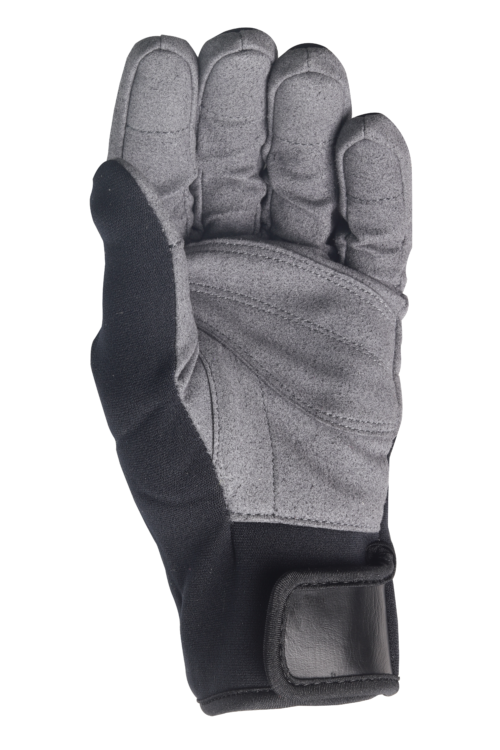
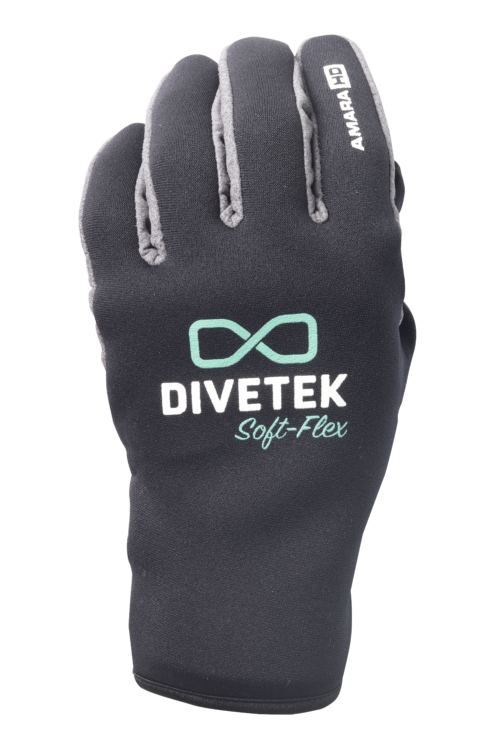 Neoprene Gloves for Spearfishing Spearfishing neoprene gloves are specially designed diving gloves made from flexible, insulating neoprene rubber. They protect your hands from cold water, sharp objects, rough coral, and marine life while improving your grip on spearfishing gear. The neoprene material traps a thin layer of water between your skin and the glove, which warms up and helps maintain thermal comfort in cooler water temperatures. These gloves typically feature: Thermal Insulation: Keeps your hands warm in cold or temperate waters, extending dive time and comfort. Durable Construction: Reinforced palms and fingers resist abrasion from rocks, spearfishing gear, and boat surfaces. Good Grip: Textured palms or silicone patterns improve grip on spearguns, knives, and slippery fish. Flexible Fit: Stretch neoprene allows for natural hand movement and dexterity, essential for handling equipment and fish. Varied Thickness: Common thicknesses range from 2 mm to 7 mm depending on water temperature and personal preference (thicker = warmer but less dexterity). These gloves are a practical part of spearfishing gear for anyone diving in cooler waters or wanting added protection and grip during their underwater hunts.
Floats & Lines
-

 A spearfishing float line is a durable, buoyant line that connects your speargun to a surface float, ensuring safety, visibility, and secure fish retrieval. Designed to withstand abrasion and strong underwater tension, float lines are typically made from UV-resistant materials such as PVC-coated tubing, braided Dyneema, or reinforced polypropylene.
Floats & Lines - Lines
-
-
Shooting Line:
Dyneema’s low stretch and incredible abrasion resistance make it ideal for shooting lines that maintain accuracy and withstand contact with rocks, reefs, and fish scales. -
Reel Line:
High tensile strength allows thinner diameters without sacrificing performance, letting divers carry more line on compact reels. -
Wishbones / Soft Bridles:
Soft Dyneema wishbones are safe, silent, and extremely durable, even under repeated loading of strong bands.
-
-
2mm Braided Speargun Reel Line
2 mm braided line is a popular choice for speargun reels thanks to its excellent balance of strength, low drag, and smooth handling. Made from high-performance fibres such as Dyneema or UHMWPE, this thin yet incredibly strong braid offers exceptional abrasion resistance and minimal stretch, giving divers reliable performance when fighting powerful fish.
Its slim profile allows more line capacity on your reel, making it ideal for deeper dives, fast-running pelagics, or compact reels where space is limited. The braid feeds off the reel smoothly, reducing friction and preventing jams, while the tight weave ensures long-lasting durability even around rocks, reefs, and structure.
Perfect for reef and blue-water hunting, 2 mm braid provides the sensitivity, strength, and reliability needed for secure shots and controlled fights in any conditions.
-
A spearfishing float line is a durable, buoyant line that connects your speargun to a surface float, ensuring safety, visibility, and secure fish retrieval. Designed to withstand abrasion and strong underwater tension, float lines are typically made from UV-resistant materials such as PVC-coated tubing, braided Dyneema, or reinforced polypropylene.
Floats
-

 5.5L Pressurized float, made from low density polyethylene, making it lightweight, durable and easy to swim through the surf. It has a weight of 565 grams Choosing the right float for spearfishing is essential for safety and convenience. A float serves as a marker on the surface of the water to signal your presence to boats and other divers. It also provides a place to attach your catch, diving gear, or other accessories. Here's what you should consider when selecting a float for spearfishing:
- Visibility: Opt for a float that is brightly colored and easily visible from a distance. Neon colors like orange, yellow, or red are commonly used for better visibility in various water conditions.
- Buoyancy: The float should have enough buoyancy to support your gear and catch. Make sure it can stay afloat even with added weight. Some floats come with adjustable buoyancy to accommodate different loads.
- Attachment Points: Look for a float with multiple attachment points or D-rings. These allow you to secure your speargun, stringer, and other accessories.
- Size: The size of the float should be sufficient to hold your gear and catch but not overly large to become cumbersome. A balance between buoyancy and manageability is important.
- Durability: Choose a float made from sturdy materials that can withstand exposure to sun, saltwater, and rough handling. Heavy-duty PVC materials are often used for this purpose.
Speargun Parts
-

 A spear gun handle is a crucial component of a spear gun, which is a weapon used for underwater fishing or hunting. The handle provides a grip and control for the user to aim and shoot the spear accurately. Here are some key aspects of a spear gun handle:
- Grip: The handle is designed to provide a comfortable and secure grip for the user, allowing them to hold the spear gun firmly even in wet or slippery conditions.
- Trigger Mechanism: The handle typically houses the trigger mechanism, which is used to release the spear once the user has aimed at the target. This mechanism is often designed to be easy to use and responsive.
- Safety Mechanism: Some spear guns have a safety mechanism integrated into the handle to prevent accidental firing. This adds an extra layer of safety for the user.
- Material and Construction: The handle is usually made of durable materials like plastic, rubber, or metal to withstand the underwater environment and resist corrosion from saltwater.
- Ergonomics: Manufacturers design the handle to be ergonomic, fitting comfortably in the hand and allowing for extended use without causing discomfort or fatigue.
- Attachment Points: The handle may have attachment points for securing lines, floatlines, or other accessories used in spearfishing.
- Integration with Barrel: The handle is connected to the spear gun's barrel, allowing for a seamless and sturdy connection between the grip and the rest of the spear gun.
-
 A spear gun handle is a crucial component of a spear gun, which is a weapon used for underwater fishing or hunting. The handle provides a grip and control for the user to aim and shoot the spear accurately. Here are some key aspects of a spear gun handle:
- Grip: The handle is designed to provide a comfortable and secure grip for the user, allowing them to hold the spear gun firmly even in wet or slippery conditions.
- Trigger Mechanism: The handle typically houses the trigger mechanism, which is used to release the spear once the user has aimed at the target. This mechanism is often designed to be easy to use and responsive.
- Safety Mechanism: Some spear guns have a safety mechanism integrated into the handle to prevent accidental firing. This adds an extra layer of safety for the user.
- Material and Construction: The handle is usually made of durable materials like plastic, rubber, or metal to withstand the underwater environment and resist corrosion from saltwater.
- Ergonomics: Manufacturers design the handle to be ergonomic, fitting comfortably in the hand and allowing for extended use without causing discomfort or fatigue.
- Attachment Points: The handle may have attachment points for securing lines, floatlines, or other accessories used in spearfishing.
- Integration with Barrel: The handle is connected to the spear gun's barrel, allowing for a seamless and sturdy connection between the grip and the rest of the spear gun.
-
 Please read the description below or watch the New Freedivers Roller Anchors Video
Freediving Gear
-
Pathos footpockets are designed to provide top comfort, perfect feeling, great stability and the lowest weight. They are made of pure latex that is vulcanized in Pathos factory in Greece, by specially designed rubber injection machines. Pathos in respect to the environment uses only A class recycled or/and recyclable materials. This footpocket is made by three different mixtures of pure latex in order to be soft on toes and heel, medium on the side nerves to allow the blade move freely and hard on metatarsals and the bottom of the foot for stability. Every footpocket passes multiple checks prior to stocking and shipping world wide. All carbon blades can be installed easily with the minimum effort with a few drops of superglue. Pathos footpockets are available with Hard nerves for the blade to use mainly its tip or Soft nerves to allow the blade to move all along its length.
-
- Material - Monoprene Rubber: Monoprene is a type of synthetic rubber commonly used in diving gear due to its durability and flexibility. It's resistant to saltwater, sunlight, and temperature changes, making it suitable for underwater use.
- Function: In diving, maintaining proper buoyancy is crucial. Divers wear weight belts to counteract the natural buoyancy of their bodies and equipment. The weight belt allows them to achieve neutral buoyancy at different depths in the water.
- Diving Weight Belt: A diving weight belt is a belt made of a weight-bearing material (such as lead) that divers wear around their waist. By adding or removing weights from the belt, divers can adjust their buoyancy and control their depth in the water. The monoprene rubber weight belt provides a comfortable and secure way to carry these weights.
- Adjustability: Diving weight belts are typically adjustable, allowing divers to customize the amount of weight they carry based on factors such as their body composition, the thickness of their wetsuit or drysuit, and the type of water they're diving in.
- Buckle or Quick-Release Mechanism: Diving weight belts usually have a buckle or quick-release mechanism that allows divers to easily put on or remove the belt, even when wearing gloves.
- Safety Considerations: Proper training and understanding of buoyancy control techniques are essential when using a diving weight belt. Divers should be cautious not to carry too much weight, which can lead to negative buoyancy and make it difficult to ascend safely.
- Integration with Diving Gear: Diving weight belts can be worn in combination with other diving equipment, such as wetsuits, BCDs (buoyancy control devices), and other accessories.
- Diving Training: If you're new to freediving / spear fishing or unfamiliar with using a diving weight belt, it's recommended to undergo proper training through a certified freediving diving agency. Training courses will cover buoyancy control, safety procedures, and equipment usage to ensure safe and enjoyable diving experiences.
-
- Material - Monoprene Rubber: Monoprene is a type of synthetic rubber commonly used in diving gear due to its durability and flexibility. It's resistant to saltwater, sunlight, and temperature changes, making it suitable for underwater use.
- Function: In diving, maintaining proper buoyancy is crucial. Divers wear weight belts to counteract the natural buoyancy of their bodies and equipment. The weight belt allows them to achieve neutral buoyancy at different depths in the water.
- Diving Weight Belt: A diving weight belt is a belt made of a weight-bearing material (such as lead) that divers wear around their waist. By adding or removing weights from the belt, divers can adjust their buoyancy and control their depth in the water. The monoprene rubber weight belt provides a comfortable and secure way to carry these weights.
- Adjustability: Diving weight belts are typically adjustable, allowing divers to customize the amount of weight they carry based on factors such as their body composition, the thickness of their wetsuit or drysuit, and the type of water they're diving in.
- Buckle or Quick-Release Mechanism: Diving weight belts usually have a buckle or quick-release mechanism that allows divers to easily put on or remove the belt, even when wearing gloves.
- Safety Considerations: Proper training and understanding of buoyancy control techniques are essential when using a diving weight belt. Divers should be cautious not to carry too much weight, which can lead to negative buoyancy and make it difficult to ascend safely.
- Integration with Diving Gear: Diving weight belts can be worn in combination with other diving equipment, such as wetsuits, BCDs (buoyancy control devices), and other accessories.
- Diving Training: If you're new to freediving / spear fishing or unfamiliar with using a diving weight belt, it's recommended to undergo proper training through a certified freediving diving agency. Training courses will cover buoyancy control, safety procedures, and equipment usage to ensure safe and enjoyable diving experiences.
-
- Material - Monoprene Rubber: Monoprene is a type of synthetic rubber commonly used in diving gear due to its durability and flexibility. It's resistant to saltwater, sunlight, and temperature changes, making it suitable for underwater use.
- Function: In diving, maintaining proper buoyancy is crucial. Divers wear weight belts to counteract the natural buoyancy of their bodies and equipment. The weight belt allows them to achieve neutral buoyancy at different depths in the water.
- Diving Weight Belt: A diving weight belt is a belt made of a weight-bearing material (such as lead) that divers wear around their waist. By adding or removing weights from the belt, divers can adjust their buoyancy and control their depth in the water. The monoprene rubber weight belt provides a comfortable and secure way to carry these weights.
- Adjustability: Diving weight belts are typically adjustable, allowing divers to customize the amount of weight they carry based on factors such as their body composition, the thickness of their wetsuit or drysuit, and the type of water they're diving in.
- Buckle or Quick-Release Mechanism: Diving weight belts usually have a buckle or quick-release mechanism that allows divers to easily put on or remove the belt, even when wearing gloves.
- Safety Considerations: Proper training and understanding of buoyancy control techniques are essential when using a diving weight belt. Divers should be cautious not to carry too much weight, which can lead to negative buoyancy and make it difficult to ascend safely.
- Integration with Diving Gear: Diving weight belts can be worn in combination with other diving equipment, such as wetsuits, BCDs (buoyancy control devices), and other accessories.
- Diving Training: If you're new to freediving / spear fishing or unfamiliar with using a diving weight belt, it's recommended to undergo proper training through a certified freediving diving agency. Training courses will cover buoyancy control, safety procedures, and equipment usage to ensure safe and enjoyable diving experiences.
-
- Material - Monoprene Rubber: Monoprene is a type of synthetic rubber commonly used in diving gear due to its durability and flexibility. It's resistant to saltwater, sunlight, and temperature changes, making it suitable for underwater use.
- Function: In diving, maintaining proper buoyancy is crucial. Divers wear weight belts to counteract the natural buoyancy of their bodies and equipment. The weight belt allows them to achieve neutral buoyancy at different depths in the water.
- Diving Weight Belt: A diving weight belt is a belt made of a weight-bearing material (such as lead) that divers wear around their waist. By adding or removing weights from the belt, divers can adjust their buoyancy and control their depth in the water. The monoprene rubber weight belt provides a comfortable and secure way to carry these weights.
- Adjustability: Diving weight belts are typically adjustable, allowing divers to customize the amount of weight they carry based on factors such as their body composition, the thickness of their wetsuit or drysuit, and the type of water they're diving in.
- Buckle or Quick-Release Mechanism: Diving weight belts usually have a buckle or quick-release mechanism that allows divers to easily put on or remove the belt, even when wearing gloves.
- Safety Considerations: Proper training and understanding of buoyancy control techniques are essential when using a diving weight belt. Divers should be cautious not to carry too much weight, which can lead to negative buoyancy and make it difficult to ascend safely.
- Integration with Diving Gear: Diving weight belts can be worn in combination with other diving equipment, such as wetsuits, BCDs (buoyancy control devices), and other accessories.
- Diving Training: If you're new to freediving / spear fishing or unfamiliar with using a diving weight belt, it's recommended to undergo proper training through a certified freediving diving agency. Training courses will cover buoyancy control, safety procedures, and equipment usage to ensure safe and enjoyable diving experiences.
-
- Material - Monoprene Rubber: Monoprene is a type of synthetic rubber commonly used in diving gear due to its durability and flexibility. It's resistant to saltwater, sunlight, and temperature changes, making it suitable for underwater use.
- Function: In diving, maintaining proper buoyancy is crucial. Divers wear weight belts to counteract the natural buoyancy of their bodies and equipment. The weight belt allows them to achieve neutral buoyancy at different depths in the water.
- Diving Weight Belt: A diving weight belt is a belt made of a weight-bearing material (such as lead) that divers wear around their waist. By adding or removing weights from the belt, divers can adjust their buoyancy and control their depth in the water. The monoprene rubber weight belt provides a comfortable and secure way to carry these weights.
- Adjustability: Diving weight belts are typically adjustable, allowing divers to customize the amount of weight they carry based on factors such as their body composition, the thickness of their wetsuit or drysuit, and the type of water they're diving in.
- Buckle or Quick-Release Mechanism: Diving weight belts usually have a buckle or quick-release mechanism that allows divers to easily put on or remove the belt, even when wearing gloves.
- Safety Considerations: Proper training and understanding of buoyancy control techniques are essential when using a diving weight belt. Divers should be cautious not to carry too much weight, which can lead to negative buoyancy and make it difficult to ascend safely.
- Integration with Diving Gear: Diving weight belts can be worn in combination with other diving equipment, such as wetsuits, BCDs (buoyancy control devices), and other accessories.
- Diving Training: If you're new to freediving / spear fishing or unfamiliar with using a diving weight belt, it's recommended to undergo proper training through a certified freediving diving agency. Training courses will cover buoyancy control, safety procedures, and equipment usage to ensure safe and enjoyable diving experiences.
-

 Static line for freediving .
Merchandise
Title


